Flooded streets in southeastern Brazil with community volunteers aiding residents
Updated: March 16, 2026
In southeastern Brazil, floodwaters have swelled beyond levees and expectations, yet amid the wreckage a question persists: how does hope Community Brazil translate into practical resilience on the ground?
Context and Causes
Over the past season, persistent rains have overwhelmed drainage systems in parts of the region, underscoring how climate variability and urban growth collide when rivers swell and city edges spill into low-lying neighborhoods. Specialists point to a combination of longer rainy spells, land-use changes, and aging infrastructure as drivers of the severity. In addition, many communities lack timely warnings or safe evacuation routes, amplifying the human toll when waters rise. The numbers reported by local authorities and media indicate a steep casualty count, and rescuers are still combing flooded zones for missing residents, a reminder that the weather‑driven hazard also exposes gaps in planning and governance.
Beyond the immediate danger, the disaster exposes inequalities in who bears the risk and who recovers quickly. Neighborhoods built on hillsides or near floodplains face repeated exposure, while informal settlements often have fewer resources to adapt or shield themselves. The situation requires not just emergency response but a longer arc of adaptation: better land-use rules, improved drainage, and stronger community ties to share information and coordinate help.
Community Resilience in Practice
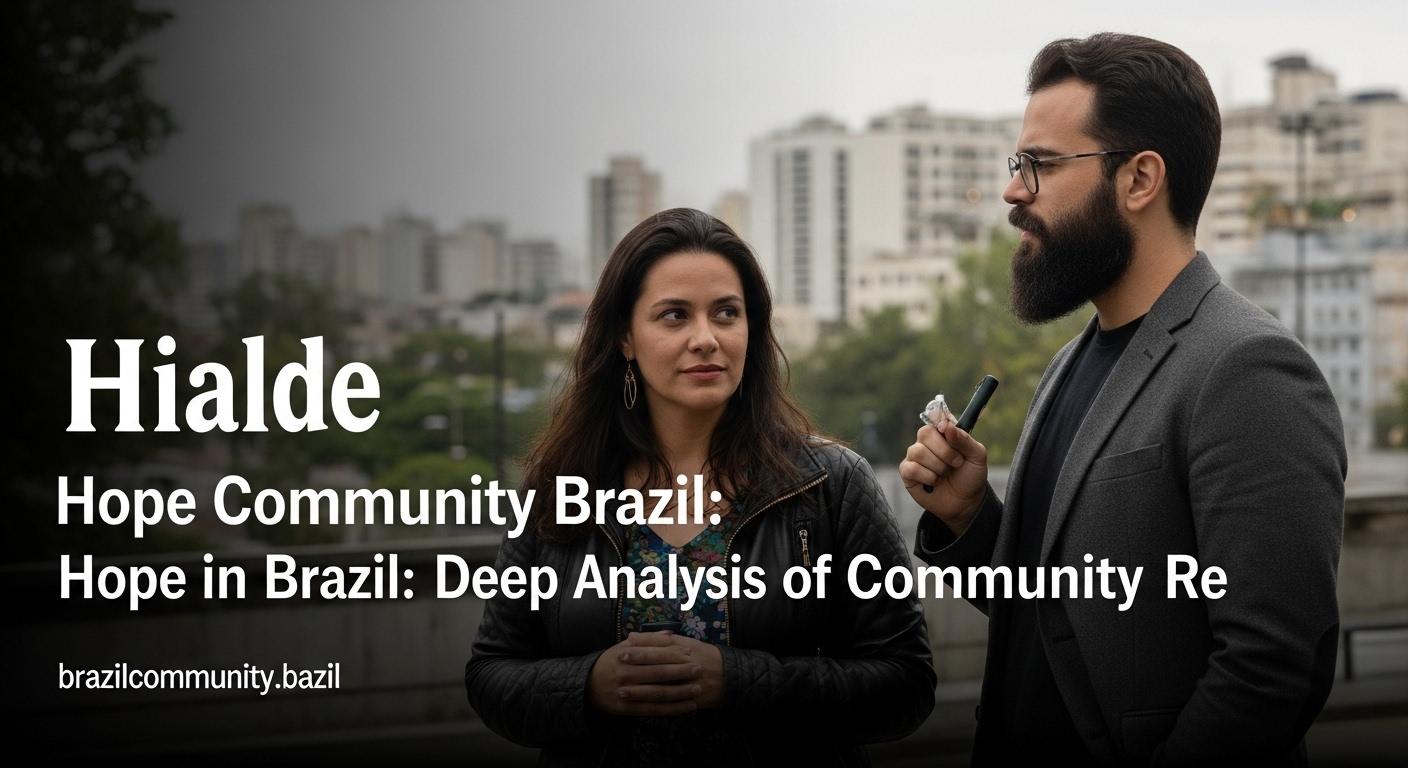
Across cities in the affected area, neighbors, faith groups, and small businesses mobilized to provide shelter, food, and clean water. Local volunteers mapped affected blocks, channeled donations, and used messaging apps to inform residents about safe routes and evacuation points. In many cases, the quickest, most effective response depended on social capital and practical know-how—the kind of resilience that does not appear in flags or headlines but in the daily acts of neighbors helping neighbors. This grassroots energy illustrates how hope Community Brazil can become more than sentiment: it can be a set of durable, tested routines for crisis response that survive the weather and politics of the moment.
Policy Gaps and Governance
Analysts warn that unless authorities integrate forecasting with community engagement, warnings will remain late or misinterpreted, especially for vulnerable groups. Investment decisions often lag after disasters, leaving communities to patch damaged infrastructure with limited resources. The episode, while tragic, also raises questions about accountability and governance: who pays for preventive measures, who leads the reconstruction, and how can residents have a voice in decisions that affect long-term safety? The intersection of disaster response and political accountability matters because trust in institutions can influence whether people heed alerts and participate in recovery planning.
Paths Forward for Hope Community Brazil
Experts urge a multipronged approach: strengthen early-warning systems tied to local networks; invest in climate-resilient, nature-based infrastructure such as green corridors and retention basins; update zoning rules in flood-prone areas; and build cross-municipality coalitions to share best practices. Equally important is elevating community-led planning—ensuring that residents, especially those from marginalized backgrounds, have real seats at the table when recovery strategies are drafted. By linking immediate relief with long-term adaptation, communities can transform episodes of crisis into opportunities for smarter growth and greater social cohesion. In this framework, hope Community Brazil becomes a shared standard for how cities, civil society, and citizens work together toward reliable recovery, not mere relief in the moment.
Actionable Takeaways
- Strengthen local emergency networks and ensure inclusive access to alerts and shelters.
- Invest in flood-resilient infrastructure and nature-based defenses in high-risk corridors.
- Support community-led planning, ensuring marginalized groups have a voice in recovery decisions.
- Improve forecasting, communication, and drills with clear evacuation routes and culturally appropriate messaging.
- Foster cross-city collaboration to share best practices and rapid-response protocols.
Source Context
Actionable Takeaways
- Track official updates and trusted local reporting.
- Compare at least two independent sources before sharing claims.
- Review short-term risk, opportunity, and timing before acting.
From an editorial perspective, separate confirmed facts from early speculation and revisit assumptions as new verified information appears.
Track official statements, compare independent outlets, and focus on what is confirmed versus what remains under investigation.