
Updated: March 17, 2026
The cbf Community Brazil is not merely a federation flag carried at international events; it represents a living bridge between Brazil’s football ambitions and its dispersed communities abroad. This analysis examines how cbf Community Brazil frames diaspora outreach, and why the dynamic matters for communities in Brazil and among Brazilians overseas, particularly as clubs, schools, and civic groups seek practical benefits from sustained engagement.
cbf Community Brazil and the U.S. Connection
Community-driven ties in the United States offer more than ceremonial goodwill. When the confederation initiates conversations with Brazilian leaders abroad, it signals a strategy built on reciprocal value: Brazilian communities abroad gain access to national narratives, while the federation gains on-ground intelligence about talent pools, local needs, and potential partnerships. The current cadence of meetings and roundtables, amplified by media coverage, helps align expectations across continents. Yet the real measure lies in concrete programs: how youth clinics, coaching licenses, and scholarship tracks translate into opportunities for aspiring players who balance sport with schooling and work. In practical terms, this cross-border dialogue can turn into a pipeline—of players, coaches, and volunteers—who reinforce the social fabric of both host cities and Brazilian communities back home.
For Brazil, the U.S. connection offers a feedback loop. Diaspora chapters gather insights about youth development models abroad, community safety programs, and fundraising approaches that work in diverse neighborhoods. Those insights can inform domestic grassroots plans, especially in regions where football serves as a primary instrument for social mobility. The challenge is to prevent dilution of focus: diaspora engagement should complement, not substitute, Brazil-based programs that address rural disadvantage, urban violence, or school participation gaps. When done well, the exchange may lower barriers to entry for underrepresented groups, creating more inclusive pathways into organized football—from youth leagues to local clubs.
Diaspora, Youth, and Local Football Culture
Youth development sits at the heart of cbf Community Brazil’s potential impact. In many cities abroad, Brazilian youth programs are a cultural gateway—Portuguese language, samba rhythms, and a shared love of football create communities that train together, celebrate milestones, and absorb civic responsibilities. The challenge is consistency: sustaining quality coaching, safe facilities, and meaningful competition across a network that spans time zones and funding cycles. A practical model blends weekly training with mentorship on nutrition, education, and career planning. By embedding Brazilian coaching philosophies in local contexts, the diaspora helps preserve the sport’s technical heritage while encouraging adaptation to regional playing styles. For Brazil, this means an expanded domestic talent funnel that draws from a wider geographical and socio-economic cross-section, reinforcing long-term competitiveness of the national system.
Crucially, the narrative around youth development must remain grounded in measurable impact. Community leaders report on attendance, skill progression, academic outcomes, and even post-playing career transitions—coaching certificates, referee licenses, or sports administration roles. The more transparent these metrics are, the more credible any cross-border program becomes to funders, municipal authorities, and parent groups who must weigh opportunity against cost. A strong emphasis on safeguarding and accountability also helps maintain trust, ensuring that community programs serve participants’ holistic well-being rather than short-term publicity wins.
Civic, Economic, and Policy Dimensions
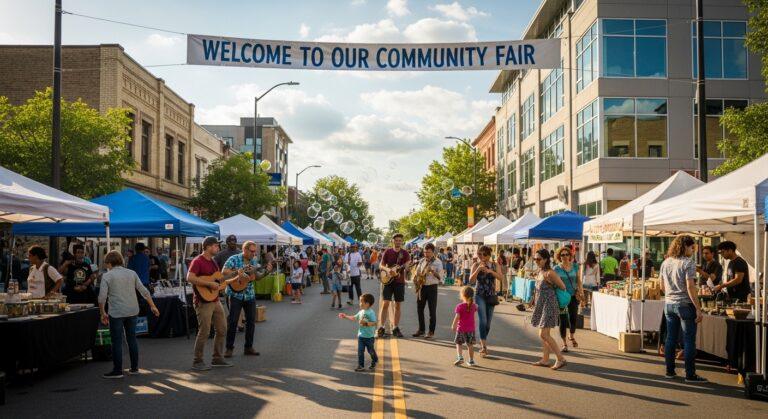
The reach of cbf Community Brazil extends beyond the pitch into civic life and local economies. Diaspora initiatives often mobilize volunteers, donations, and corporate sponsorships that bolster community centers, after-school programs, and language-support services. In turn, these activities can create spillovers—improved youth outcomes, greater parental engagement in schools, and stronger community cohesion in neighborhoods that might otherwise struggle with disinvestment. From a policy perspective, the challenge is to ensure that resources are equitably distributed, with transparent governance structures and clear lines of accountability between the federation, local clubs, and community organizations. This alignment matters because public investment in sports infrastructure and youth programs is increasingly tied to social indicators such as crime prevention, educational attainment, and health outcomes.
On the economic front, cross-border programs can attract private philanthropy and sponsorship by Brazilian brands seeking cultural resonance in overseas markets. The risk is reputational: if expectations are not managed or if programs fail to deliver tangible benefits, communities may perceive the engagement as window-dressing rather than a genuine partnership. The responsible path emphasizes co-creation, where community voices help shape funding priorities, program design, and evaluation criteria. When communities see their ideas reflected in the plan, buy-in—and sustainability—tend to improve.
Partnerships, Media, and the Road Ahead
Partnerships across civil society, media, and local government can magnify the effectiveness of cbf Community Brazil. Media coverage that centers community voices—not just headlines about celebrity players—helps recruit volunteers, reassure families, and attract donors who want tangible social returns. Administrative partnerships with schools, parks departments, and youth sports leagues can formalize pathways for training, certification, and competition. In particular, formalized exchange programs, coaching education, and refereeing pipelines can be scaled with careful governance and clear performance metrics. The road ahead hinges on accessibility: creating more low-cost entry points for participation, translating information into multiple languages, and maintaining safety standards that families trust. If these conditions hold, the diaspora becomes less a symbol of connection and more a structural element of Brazil’s broader football ecosystem.
Additionally, strategic alignment with domestic league development imperatives matters. Domestic clubs can benefit from early access to diverse talent and from a pipeline of players who are not only technically skilled but culturally adaptable. Conversely, Brazilian communities abroad gain visibility and a stake in the sport’s broader national project. This reciprocal arrangement can contribute to a more resilient football culture that thrives in both Brazil and abroad, even as economic conditions and migration dynamics evolve over the next decade.
Actionable Takeaways
- Prioritize transparent governance: establish clear budgets, reporting, and impact metrics for all diaspora-engagement programs to build trust with communities and funders.
- Co-create with local leaders: involve community organizers in program design, ensuring that youth curricula, facility access, and scholarship opportunities reflect local needs.
- Develop measurable pipelines: implement coaching education, referee training, and youth leagues that connect overseas programs to Brazil-based clubs and schools.
- Leverage multi-stakeholder partnerships: align with schools, municipal programs, and private sponsors to expand reach while safeguarding participant welfare.
- Invest in safeguarding and inclusion: implement robust safeguarding policies, language access, and culturally sensitive outreach to broaden participation across diverse communities.
- Monitor and share outcomes: publish annual impact reports detailing attendance, academic progress, and post-program opportunities to sustain support and accountability.