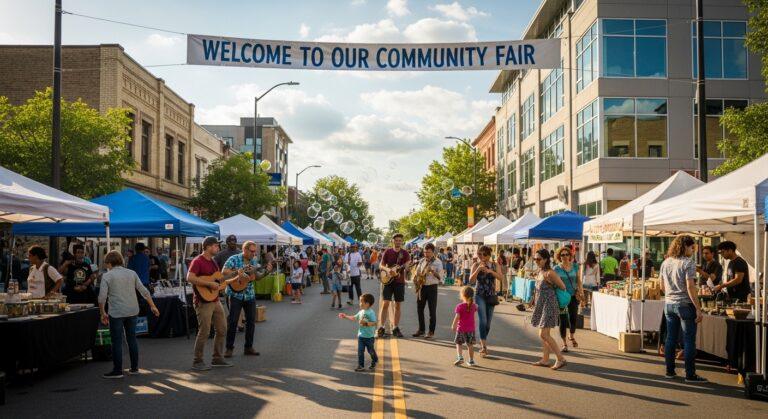
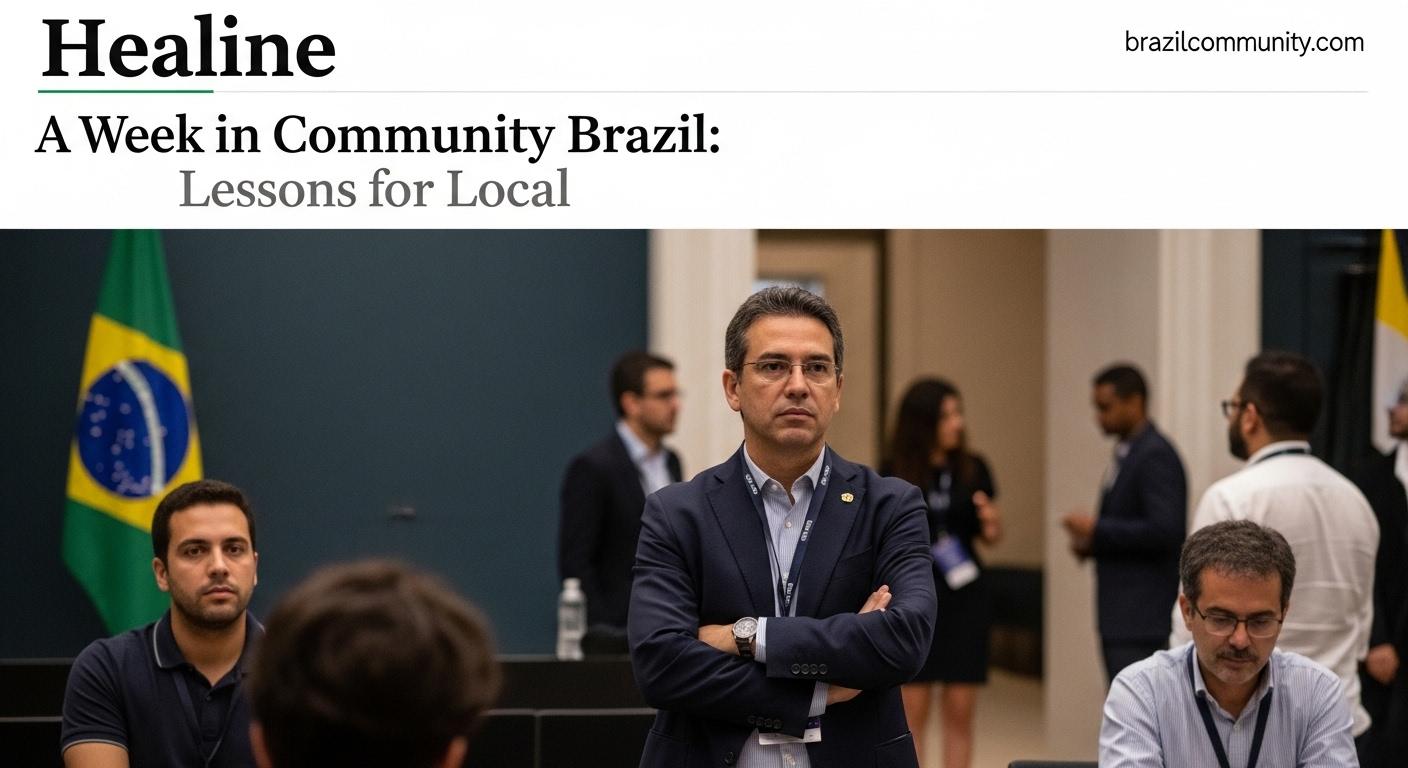
Neighbors gather in a Brazilian neighborhood meeting to discuss local projects in a sunny square.
Updated: March 16, 2026
In this week Community Brazil, neighborhoods across the country are testing what civic life looks like when residents take charge of local challenges rather than waiting for central solutions. From shared markets and block associations to youth led cultural programs, the energy at the street level reveals a country where the pace of change often travels through everyday acts of coordination. This week to week rhythm of Brazilian community life is shaping governance, cohesion, and resilience, and what it might imply for policy makers and citizens alike.
Context and Trends
Across Brazil’s urban neighborhoods and rural districts, community life has long thrived where formal services fall short or become uneven. In the 2020s, digital platforms amplified local voices, enabling mutual aid groups to organize quickly. Community centers, churches, and cultural associations coordinate events that sustain social fabric during times of political tension and economic strain. Observers note a shift toward neighborhood level project planning—repairing a bridge, renovating a plaza, launching a community pantry—rather than waiting for higher level programs to deliver results. This week Community Brazil analysis considers how such micro initiatives scale, what constraints a macro economy such as inflation, unemployment, and public investment impose, and how local leaders connect with residents across class, race, and geography. While macro policy remains contested, many communities are testing forms of governance that are more participatory, transparent, and responsive to immediate needs. The question for state actors is not whether to fund initiatives, but how to align policy incentives with ongoing, bottom up collaborations that survive electoral cycles. The outcome could either strengthen trust in public institutions or deepen cynicism if expectations are mis managed.
Civic Participation and Digital Platforms
Digital channels shape how Brazilians participate in local life. WhatsApp groups organize volunteer drives, coordinate food pantries, and spread event invitations; community radio and church networks reach residents who are less active online; and youth clubs create cultural programs that bring together people from different neighborhoods. This dynamic has clear benefits, including faster mobilization and wider inclusion of marginalized groups. But it also introduces risks, notably the spread of misinformation, rumors, or oversimplified narratives during sensitive moments. The challenge for communities is to create trusted conduits for information, combine online coordination with in person dialogue, and build media literacy into neighborhood leadership roles. When residents see credible, local sources answering questions, trust can grow even amid national polarization.
Local Governance and Budget Realities
Neighborhood resilience often depends on the alignment between community needs and local budgets. In many municipalities, resources are stretched, and decision making can feel distant from the people it serves. Yet Brazilian towns and cities also host participatory processes in which residents propose projects, review budgets, and demand accountability from public agencies. The practical impact of day to day governance shows up in street repairs, safe public spaces, after school programs, and cultural initiatives supported by municipal or state funds. A critical factor is transparency: when budget data is accessible and actively explained in local forums, residents are more likely to support constructive, long term investments rather than one off expedients. This section considers how communities can leverage existing structures, advocate for sustainable funding, and monitor service delivery across districts during an era of fiscal constraint.
Actionable Takeaways
- Join or form a neighborhood association or attend municipal council meetings to participate in decision making.
- Verify information before sharing; rely on multiple credible sources and seek direct comment from local officials when possible.
- Support community centers, cultural programs, and volunteer networks that provide services directly to residents.
- Promote cross community dialogues to bridge political and social divides in a safe, moderated setting.
- Request transparent reporting on budgets and service delivery; demand summaries that are accessible to non specialists.
- Encourage youth leadership and female representation in local governance to broaden perspective and accountability.
Source Context
From an editorial perspective, separate confirmed facts from early speculation and revisit assumptions as new verified information appears.
Track official statements, compare independent outlets, and focus on what is confirmed versus what remains under investigation.
For practical decisions, evaluate near-term risk, likely scenarios, and timing before reacting to fast-moving headlines.