
Updated: March 16, 2026
Reviving Community Brazil is not only a slogan but a practical project that tests how neighborhoods mobilize, mutual aid networks sustain themselves, and local governments align with a broader social agenda. Across Brazilian cities, residents are asking how to bridge formal institutions with the daily, informal care that keeps communities afloat when budgets tighten and public trust frays. This article offers a field-informed analysis: what works, what gaps remain, and how a coherent revival of civic life could emerge from shared effort rather than top-down mandates.
Context at a crossroads: where citizens meet policy and economy
Brazilian communities have long demonstrated resilience through mutual aid—from neighborhood associations to cooperatives that pool resources for health, education, and safety. In the last decade, however, fiscal pressures at municipal and state levels have narrowed discretionary funds for local projects, creating a gap between ambitious visions and implementable programs. The challenge is not simply funding but alignment: how to translate volunteer energy into durable services that do not wither when leadership turns over or a donor stops contributing. When policy cycles run on short timelines, communities learn to adapt quickly, but this adaptation often hinges on access to trusted spaces, stable networking channels, and predictable rules of engagement between civil society and government agencies.
The causal chain is clear: financial volatility and political turnover can erode program continuity, while strong, locally anchored networks can cushion shocks. In many neighborhoods, informal networks already fill essential gaps—food cooperatives, after-school tutoring circles, and neighborhood safety patrols—but they rarely scale without institutional legitimacy. Reviving Community Brazil thus becomes a question of how to formalize promising practices without stifling the local, improvisational logic that sustains them.
From mutual aid to scalable impact: lessons from cultural and urban work
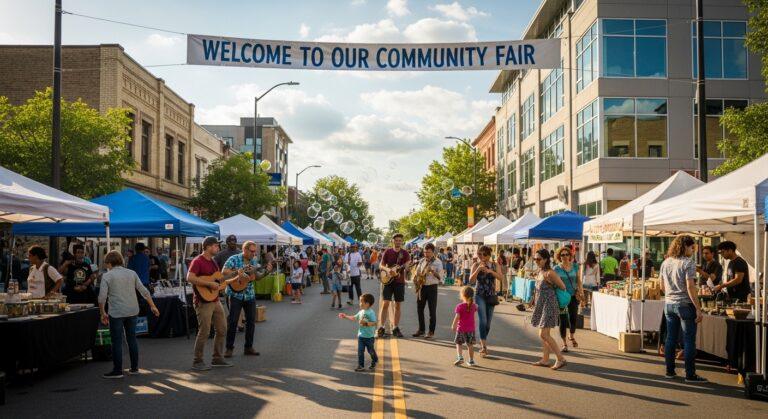
Two linked strands surface in cities attempting revival. First is mutual aid as a relational economy: community members contribute time, know-how, and goods in exchange for reciprocal care. Second is culture as a catalyst for civic engagement, where art, music, and culinary initiatives create inclusive spaces that welcome diverse voices. Consider how samba kitchens and neighborhood cultural centers become not only social hubs but venues for conversation about safety, education, housing, and small-business development. When these activities are designed with transparency, clear governance, and shared outcomes, they can become incubators for larger-scale public participation.
A practical model emerges: establish small, accountable councils embedded in existing community spaces, with rotating membership and published minutes. These councils can aggregate local needs into concrete proposals, then test them through pilots—such as youth mentorship programs, micro-grants for cultural enterprises, or shared tool libraries. The risk is to over-professionalize; the opportunity is to blend professional support with lived experience. The result should be a continuum from grassroots energy to durable, results-oriented programs that communities can carry across election cycles and administrative changes.
Economic realities and the resilience ecosystem
Macro volatility—illustrated by shifts in energy markets, commodity prices, and inflation—inevitably tests local resilience. When households face rising costs, community programs that reduce expenses and increase access to opportunities become more valuable, not less. Local cooperatives, neighborhood repair programs, and skill-sharing networks can reduce reliance on external services while building social capital that translates into better political engagement. A resilient ecology hinges on three pillars: predictable funding mechanisms or reserve funds for community initiatives, transparent governance that builds trust, and cross-sector collaboration that aligns non-profit work with municipal planning.
The Petrobras example, while distant in scope from neighborhood groups, underscores a broader truth: volatility is a shared condition, and local actors must build buffers. Communities that anticipate disruptions—whether in energy, housing, or transit—and diversify their support networks tend to weather shocks more effectively. In practical terms, that means cultivating emergency microgrants, establishing barter or time-bank systems, and creating open data practices so residents can see where needs cluster and where resources are allocated.
Space, voice, and inclusive participation in reviving Community Brazil
In inclusive revival, space is as important as statute. Public squares, libraries, and school parks can host ongoing forums that integrate residents across age, language, and literacy levels. Digital inclusion remains a prerequisite, not a bonus. Without affordable connectivity, many households cannot engage in virtual town halls, digital councils, or online procurement processes. Yet technology should augment human-centered processes, not replace them. Simple, well-facilitated platforms—monthly open meetings, translated materials, childcare during gatherings—can turn participation from a barrier into a norm.
Leadership development is another critical ingredient. A mix of elder mentors who know how to navigate bureaucracy and younger participants who bring fresh perspectives creates a dynamic that can sustain projects beyond the tenure of any single leader. The samba kitchen example shows how cultural practice can embed civic work—how cooks and organizers collaborate on menu planning, supply chains, and community celebrations, all while using the event as a platform to discuss local issues and recruit volunteers for long-term efforts.
Actionable Takeaways
- Establish neighborhood councils embedded in existing community spaces with rotating membership and published, public minutes.
- Create a small-grants fund for local pilots—youth mentoring, cultural entrepreneurship, and shared tools—triggered by community-determined criteria.
- Invest in digital inclusion: affordable connectivity, device access, and multilingual information to ensure broad participation.
- Pair cultural initiatives with civic forums to turn gatherings into opportunities for policy input and collaborative planning.
- Develop a transparent governance framework tying community projects to municipal priorities, with regular impact reporting and audit mechanisms.
Source Context
For readers seeking broader context on community-led cultural and mutual-aid initiatives that inform this analysis, consider these recent references:
- Reviving Joe Brazil’s vision for jazz, mutual aid and collective joy — KNKX (context on cultural mutual-aid ecosystems and community spaces).
- ‘It feels like home’: Samba Brazilian Kitchen brings Carnaval to Gainesville — The Independent Florida Alligator (example of culture-driven civic space).
- Petrobras does not pass through sudden oil volatility to local market, CEO says — Reuters (macro energy market context relevant to local resilience).