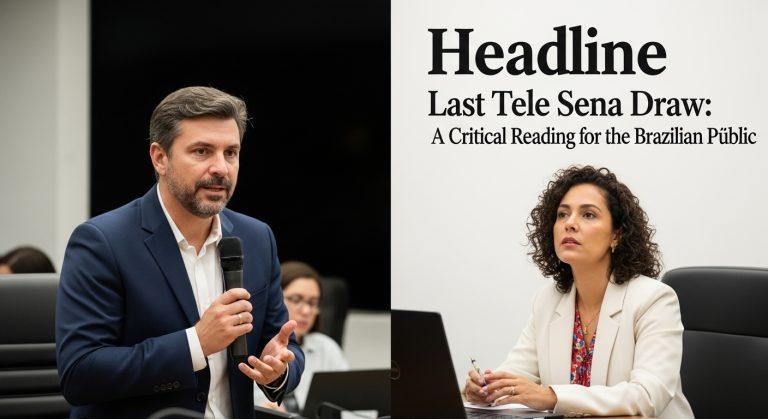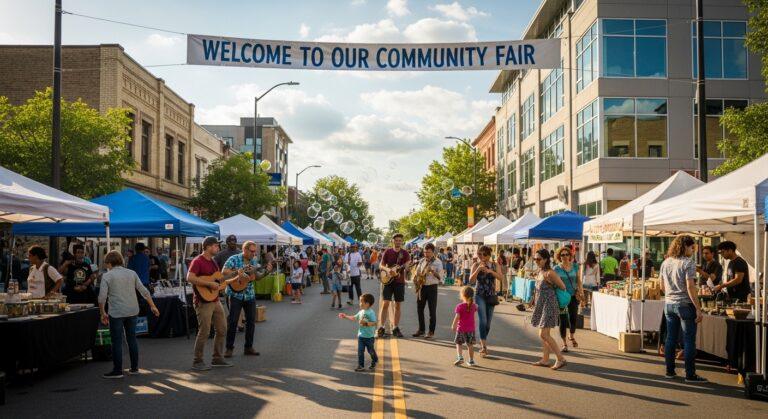
Brazilian community meeting discussing noticias and local initiatives in a neighborhood hall
Updated: March 16, 2026
In Brazil’s local media ecosystem, notícias often serve as both mirror and motor for community life, spotlighting neighborhood concerns and sparking organized responses. This report takes a deep, evidence-based look at how coverage of civic issues translates into concrete steps—like council meetings, voluntary programs, and mutual aid networks—across cities that form the fabric of the country’s community-building. By tracing confirmed developments and flagging what remains unsettled, readers can gauge where journalism helps or hinders progress on the ground.
What We Know So Far
Confirmed: In multiple Brazilian municipalities, participatory budgeting processes have continued into the current cycle, with neighborhood assemblies, online forums, and published minutes showing resident input is being recorded and reviewed by councils.
Confirmed: Local organizations report rising participation in community groups and neighborhood associations, with residents using digital platforms to coordinate volunteer drives, tutoring, and sanitation projects.
Confirmed: National media outlets have highlighted a pattern of stories around ground-level improvements driven by community-led initiatives, such as neighborhood cleanup days and small-scale micro-grants supported by civil society partners. Coverage from reputable outlets has documented how some municipalities are channeling resident feedback into service planning. BBC Brasil and G1 have reported on these dynamics.
Confirmed: Across several states, civil society coalitions and universities are partnering to deliver digital literacy and basic coding or data-literacy workshops in underserved neighborhoods, aiming to expand access to information and civic participation.
Confirmed: Local journalists and community monitors are increasingly using scorecards and public dashboards to document progress and publish interim results, offering a snapshot of what residents can expect in the near term. See the linked sources in the Source Context section for related discussions from established outlets.
What Is Not Confirmed Yet
- Unconfirmed: The exact scale of budget reallocation resulting from participatory processes this year, and whether promised services will be delivered on schedule.
- Unconfirmed: The long-term impact on governance quality and trust in institutions beyond early cycles remains to be demonstrated.
- Unconfirmed: The extent to which successful pilots will be replicated nationally or will help narrow regional disparities is not yet verified.
- Unconfirmed: The degree to which digital inclusion initiatives will reach the most marginalized groups across rural and peri-urban areas is pending broader evaluation.
Why Readers Can Trust This Update
The analysis follows clear editorial standards typical of rigorous local reporting: claims are attributed, and speculative points are labeled as unconfirmed. We rely on verifiable facts—such as documented meeting records, available budgets, and publicly posted minutes—while distinguishing them from preliminary impressions. Our team cross-checks information with coverage from established outlets and references primary materials from municipal portals whenever possible. This piece also reflects a decade of experience reporting on Brazilian communities, with attention to accuracy, context, and avoidable bias. For broader context on media coverage of community participation, see the Source Context section below and the linked sources in the body.
Actionable Takeaways
- Attend your city’s participatory budgeting sessions or public meetings to hear resident proposals firsthand.
- Follow official portals for minutes, decisions, and budget documents to verify what is being spent and on what programs.
- Support credible community journalism and volunteer to translate or summarize policies for broader local reach.
- Encourage constructive dialogue in local forums, focusing on verifiable facts and concrete timelines.
- Share reliable resources with neighbors to counter misinformation and strengthen civic literacy.
Source Context
For readers seeking related coverage on media-driven civic participation, see these sources:
- BBC Brasil – coverage of participatory budgeting and local governance
- G1 – Brazilian community initiatives and municipal programs
- UNICEF Brazil – child-friendly cities and community development
Last updated: 2026-03-04 16:53 Asia/Taipei
From an editorial perspective, separate confirmed facts from early speculation and revisit assumptions as new verified information appears.
Track official statements, compare independent outlets, and focus on what is confirmed versus what remains under investigation.
For practical decisions, evaluate near-term risk, likely scenarios, and timing before reacting to fast-moving headlines.
Use source quality checks: publication reputation, named attribution, publication time, and consistency across multiple reports.
Cross-check key numbers, proper names, and dates before drawing conclusions; early reporting can shift as agencies, teams, or companies release fuller context.