
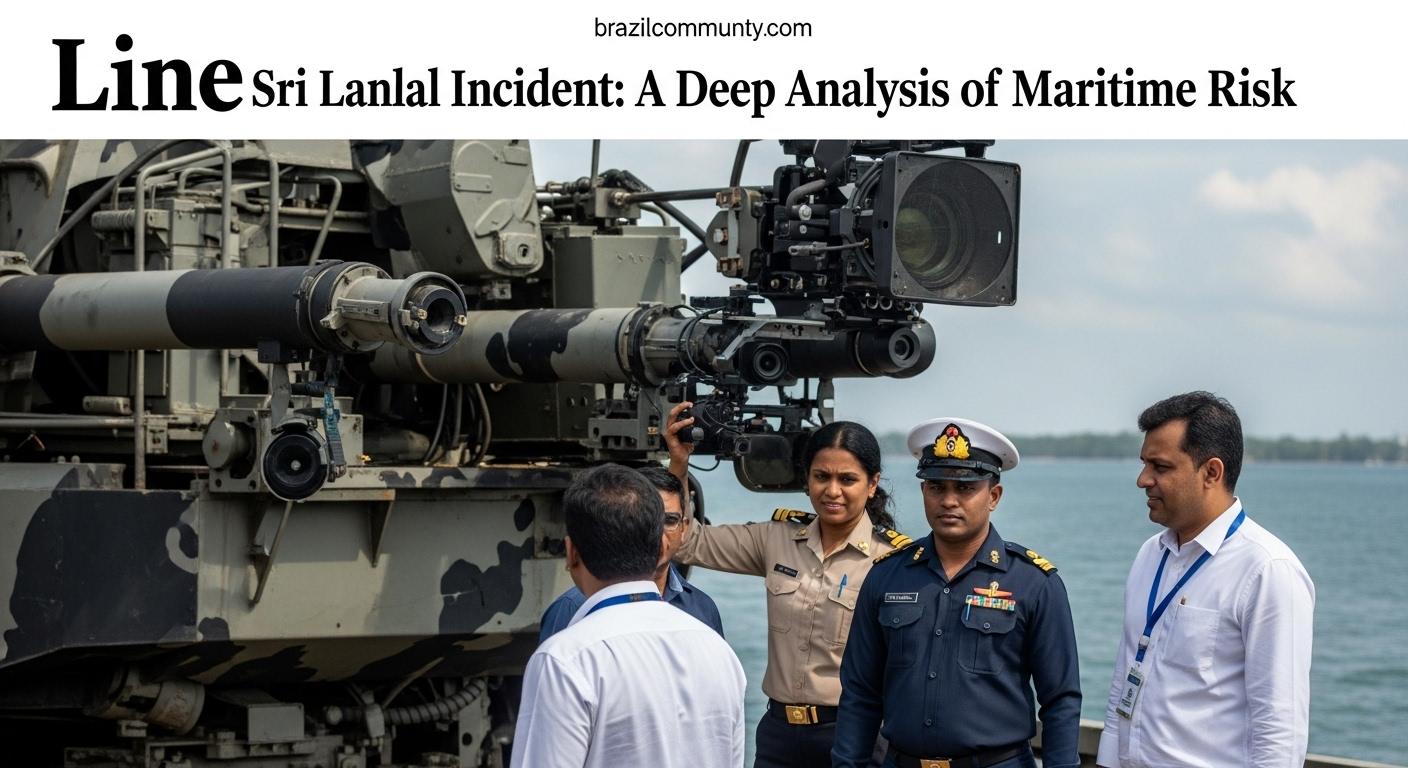
Naval vessel at sea near the coast of Sri Lanka with rescuers and a cloudy horizon
Updated: March 16, 2026
The reported sinking of an Iranian warship off the coast of sri lanka has thrust a volatile maritime episode into the foreground for readers in Brazil, where global trade links depend on stable sea lanes and predictable security dynamics. This analysis draws on initial reporting to map what is confirmed, what remains uncertain, and how this event could ripple through regional stability and international shipping patterns that connect to Brazilian markets and supply chains.
What We Know So Far
- Confirmed: An Iranian warship was reported to have sunk off the coast of sri lanka following a sea incident; France 24 reports that 32 sailors were rescued.
- Confirmed: Early dispatches described a casualty picture that varied by outlet; The New York Times noted dozens feared dead in initial coverage, reflecting the evolving situation as details emerged.
- Unconfirmed: Reuters cites officials alleging that the United States carried out a strike on the Iranian warship; this claim has not been corroborated by independent verification from other governments or outlets at this time.
- Unconfirmed: The ship’s exact identity, origin, and sailing route remain unverified in independently corroborated records; authorities have not publicly confirmed these specifics at the time of writing.
- Contextual: The incident occurred near sri lanka, a nation with strategic ports and busy Indian Ocean shipping lanes that connect global trade networks, including routes relevant to Brazil’s import and export activity.
What Is Not Confirmed Yet
- Exact casualty figures beyond what early reports described; no official toll has been released by Sri Lankan authorities or by Iran.
- The precise cause of the sinking (attack, accident, or other factors) remains unconfirmed by independent verification.
- Whether any other parties were involved or were responsible for the incident, beyond the unverified strike claim reported by Reuters.
- The complete impact on regional maritime operations, port logistics, and insurance costs is still developing and requires ongoing updates from authoritative sources.
Why Readers Can Trust This Update
BrazilCommunity editors bring cross-checking discipline to evolving international events, drawing on reporting from multiple credible outlets and on maritime-security expertise to frame what is known and what remains uncertain. We explicitly label unconfirmed items and provide source links so readers can trace how information develops. Our team includes editors with experience covering South Asia, naval affairs, and global trade, ensuring the analysis aligns with established reporting practices and the needs of a Brazil-focused readership tracking how such events influence regional and global markets.
Actionable Takeaways
- Monitor official statements from Sri Lankan authorities and Iranian authorities for casualty figures and the official cause of the sinking as investigations proceed.
- Follow international maritime-security advisories and reputable trade analyses to assess potential disruptions to shipping routes through the Indian Ocean and related supply chains.
- Brazilian readers should consider how shifts in regional security dynamics could influence fuel and commodity shipping costs, as brokered by global markets and insurance layers.
- Rely on multiple credible outlets for updates, particularly in the first hours and days after such incidents, to avoid relying on a single source with evolving information.
Source Context
Contextual sources and further reading:
- New York Times coverage via Google News
- Reuters — US strike claim on Iranian warship off Sri Lanka coast
- France 24 — Iranian warship sinks off Sri Lanka, 32 sailors rescued
Last updated: 2026-03-04 22:53 Asia/Taipei
From an editorial perspective, separate confirmed facts from early speculation and revisit assumptions as new verified information appears.
Track official statements, compare independent outlets, and focus on what is confirmed versus what remains under investigation.
For practical decisions, evaluate near-term risk, likely scenarios, and timing before reacting to fast-moving headlines.
Use source quality checks: publication reputation, named attribution, publication time, and consistency across multiple reports.
Cross-check key numbers, proper names, and dates before drawing conclusions; early reporting can shift as agencies, teams, or companies release fuller context.
When claims rely on anonymous sourcing, treat them as provisional signals and wait for corroboration from official records or multiple independent outlets.
Policy, legal, and market implications often unfold in phases; a disciplined timeline view helps avoid overreacting to one headline or social snippet.
Local audience impact should be mapped by sector, region, and household effect so readers can connect macro developments to concrete daily decisions.