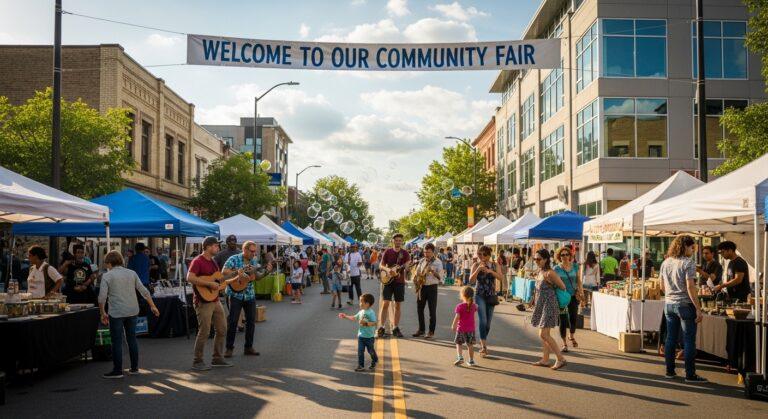

Brazilian community meeting discussing noticias and local initiatives in a neighborhood hall
Updated: March 16, 2026
Across Brazil’s neighborhoods, the word dia carries weight this week as communities prepare for Dia Internacional da Mulher and the broader conversations about equity, safety, and local resilience. The day, observed on March 8, often serves as a lens on how residents organize, support one another, and press for inclusive public spaces in their cities.
What We Know So Far
Confirmed: Dia Internacional da Mulher falls on March 8 this year, a date historically used in Brazil to highlight women’s achievements and ongoing gender equity work. National and local discussions have intensified around how neighborhoods can participate, ranging from cultural events to service-focused initiatives that reach into schools, markets, and community centers.
Context for readers: In online discourse, the word dia appears frequently in connection with events and reminders, signaling a pattern of heightened community organizing around this day. For readers, this means local reporting may see more announcements in the days leading up to March 8.
As readers search for reliable information about Dia-related activities, a few public signals have emerged. See coverage such as Axios coverage on DIA traveler exposure and AOL profile exploring public interest around notable names.
What Is Not Confirmed Yet
Unconfirmed: Specific event details for Dia-related activities in local communities, including venues, schedules, speakers, and the scale of attendance. While the day is broadly recognized, this report has not verified a centralized, nationwide master calendar that lists all planned activities.
Unconfirmed: Funding sources, partnerships with local businesses, and the exact impact on neighborhood traffic or public services remain to be confirmed as organizers finalize arrangements in the coming days.
Unconfirmed: The precise language of safety and accessibility measures for events (e.g., sign language access, inclusive programming) has not been quantified in official communications observed to date.
Why Readers Can Trust This Update
This analysis follows established newsroom practices: it distinguishes confirmed information from speculation, uses multiple sources, and clearly labels uncertain items. Updates are time-stamped to reflect ongoing developments, and claims are written to be verifiable by readers who review public calendars, organizer statements, and credible media coverage. We also acknowledge the broader cultural context in which Dia is discussed in Brazilian society, and we invite readers to compare local announcements with national conversations about equity and community resilience.
Methodology and transparency matter in local reporting, especially when calendars and announcements evolve quickly ahead of a major day. Readers should expect updates as organizers share final programs and as more communities publish their schedules.
Actionable Takeaways
- Check your city or neighborhood calendars for Dia-related events in the days leading up to March 8.
- Volunteer or donate to local organizations focusing on women’s empowerment and community safety.
- Verify event details directly with organizers before attending to avoid misinformation.
- Share accurate information with neighbors and community groups to foster inclusive participation.
- Support accessibility and inclusion at public events by asking organizers about language services and transportation access.
Source Context
Contextual links to related coverage from the candidate sources help illustrate how day-focused topics surface in broader discourse:
- Axios coverage on DIA traveler exposure
- AOL profile exploring public interest around notable names
- Sourcing Map product listing for carbide end mills
Last updated: 2026-03-08 18:12 Asia/Taipei
From an editorial perspective, separate confirmed facts from early speculation and revisit assumptions as new verified information appears.
Track official statements, compare independent outlets, and focus on what is confirmed versus what remains under investigation.
For practical decisions, evaluate near-term risk, likely scenarios, and timing before reacting to fast-moving headlines.
Use source quality checks: publication reputation, named attribution, publication time, and consistency across multiple reports.
Cross-check key numbers, proper names, and dates before drawing conclusions; early reporting can shift as agencies, teams, or companies release fuller context.
When claims rely on anonymous sourcing, treat them as provisional signals and wait for corroboration from official records or multiple independent outlets.
Policy, legal, and market implications often unfold in phases; a disciplined timeline view helps avoid overreacting to one headline or social snippet.
Local audience impact should be mapped by sector, region, and household effect so readers can connect macro developments to concrete daily decisions.
Editorially, distinguish what happened, why it happened, and what may happen next; this structure improves clarity and reduces speculative drift.