Updated: March 18, 2026
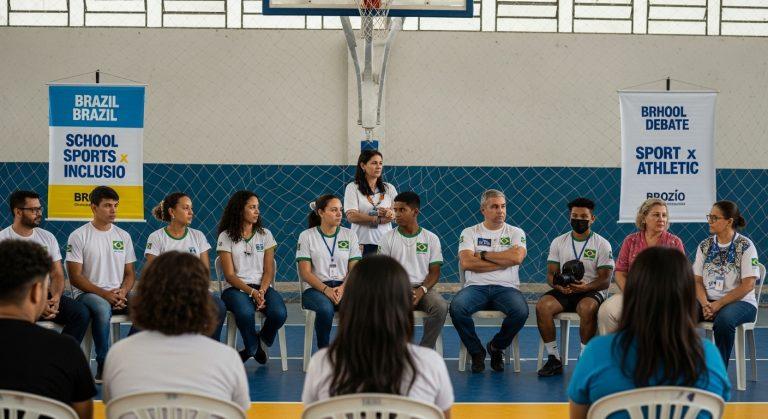
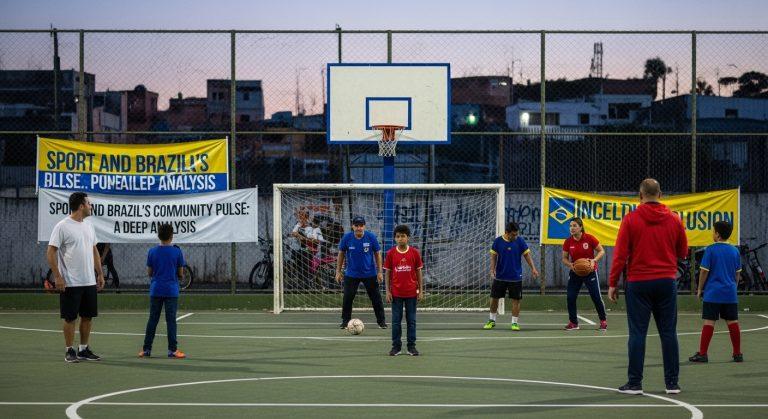
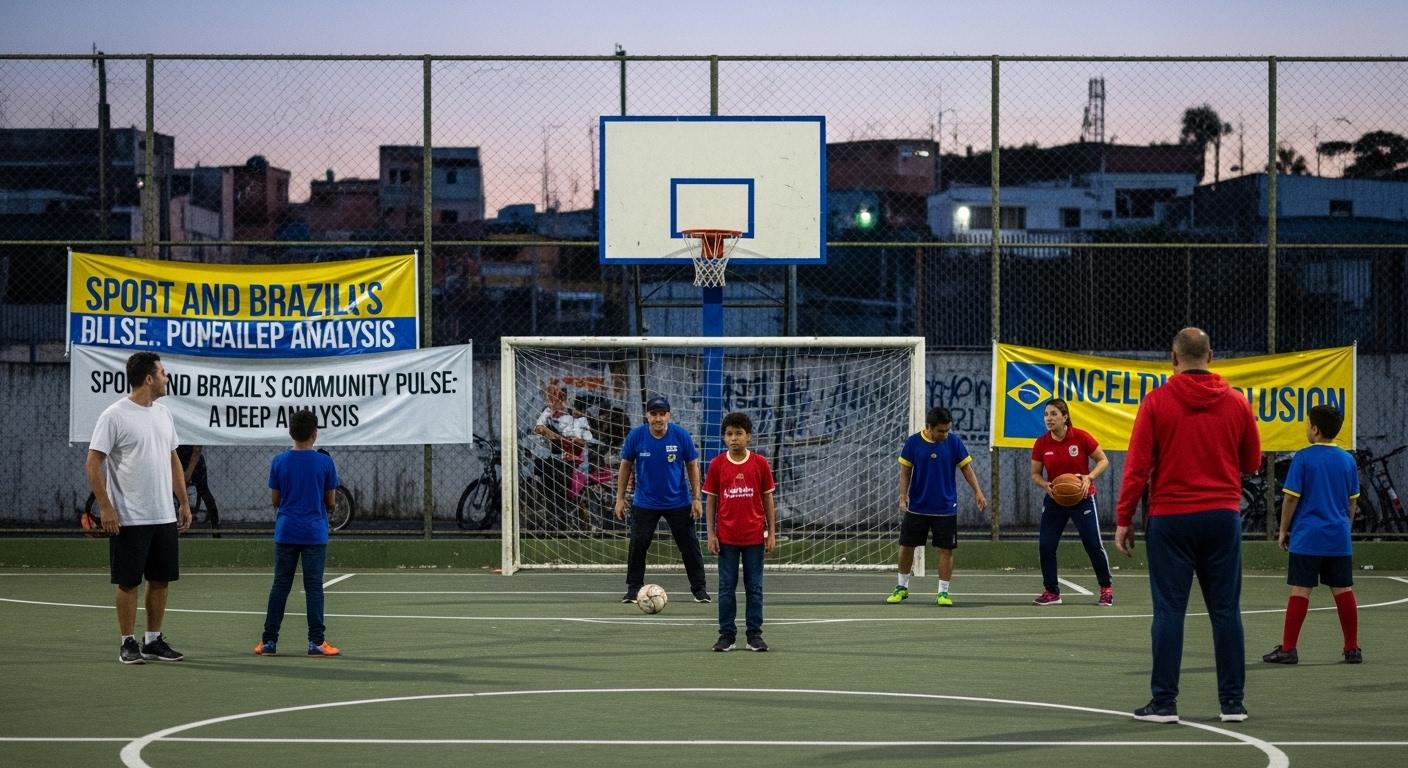
Sport extends beyond recreation in Brazil’s communities, where it shapes youth development, social ties, and local identity. This analysis examines how sport functions as a tool for inclusion and resilience in neighborhoods across the country.
What We Know So Far
Confirmed: In many Brazilian cities, community clubs, school teams, and informal leagues provide regular access to sport for children and adolescents, often filling gaps left by formal programs. These spaces can improve attendance, teamwork, and local engagement when sustained by volunteers and local leadership.
Confirmed: National and international bodies emphasize sport as a vehicle for social inclusion, with policy attention on access, safety, and non-discrimination. This aligns with visible programs that pair sport with education and social development in Brazil’s urban and rural areas.
What Is Not Confirmed Yet
Unconfirmed: The precise long-term social outcomes of specific Brazilian community sport programs across different regions are not uniformly measured. Variability in funding, coaching quality, and facility access means results are not automatically transferable from one city to another.
Unconfirmed: The extent to which sport alone drives inclusion among historically marginalized groups in Brazil remains subject to context, with other factors such as education, housing, and public services influencing outcomes.
Why Readers Can Trust This Update
This analysis draws on recognized reporting and public-facing data, including international frameworks that connect sport to inclusion. The piece distinguishes confirmed facts from speculation and notes where evidence is developing, in line with journalistic standards for community reporting.
Actionable Takeaways
- Support local clubs: Volunteer, donate equipment, or help with safe facilities to keep sport accessible to youth in your neighborhood.
- Advocate for inclusive programs: Ensure women and marginalized groups have equal opportunities to participate and to lead, coaching or organizing events.
- Invest in training and safety: Build sustainable volunteer pipelines with certified coaching and safety protocols to improve program quality over time.
- Collaborate with schools and NGOs: Create cross-sector partnerships that integrate sport with education and health services to maximize impact.
Source Context
Key background readings and related reports:
- UN: The Power of Sport for Inclusion
- Athletic Training and Sport Medicine at Cedarville University
- Women in Sport: Stacy Gaskill on Injury Recovery
Last updated: 2026-03-18 09:13 Asia/Taipei
Note: The sources above are provided for context and further reading. This update maintains caution about unverified claims while presenting confirmed information and practical implications for communities.
From an editorial perspective, separate confirmed facts from early speculation and revisit assumptions as new verified information appears.
Track official statements, compare independent outlets, and focus on what is confirmed versus what remains under investigation.
For practical decisions, evaluate near-term risk, likely scenarios, and timing before reacting to fast-moving headlines.
Use source quality checks: publication reputation, named attribution, publication time, and consistency across multiple reports.
Cross-check key numbers, proper names, and dates before drawing conclusions; early reporting can shift as agencies, teams, or companies release fuller context.
When claims rely on anonymous sourcing, treat them as provisional signals and wait for corroboration from official records or multiple independent outlets.
Policy, legal, and market implications often unfold in phases; a disciplined timeline view helps avoid overreacting to one headline or social snippet.
Local audience impact should be mapped by sector, region, and household effect so readers can connect macro developments to concrete daily decisions.
Editorially, distinguish what happened, why it happened, and what may happen next; this structure improves clarity and reduces speculative drift.
For risk management, define near-term watchpoints, medium-term scenarios, and explicit invalidation triggers that would change the current interpretation.
Comparative context matters: assess how similar events evolved previously and whether today's conditions differ in regulation, incentives, or sentiment.
Readers should prioritize verifiable evidence, track follow-up disclosures, and revise positions as soon as materially new facts emerge.
sport remains a developing story, so readers should weigh confirmed updates, timeline shifts, and sector-specific effects before reacting to fresh headlines or commentary.
For sport, the practical question is how official decisions, market reactions, and public sentiment may interact over the next few news cycles and what evidence would materially change the outlook.
Another editorial checkpoint for sport is whether new disclosures add verified facts, merely repeat existing claims, or introduce contradictions that require slower, source-led interpretation.