Updated: March 17, 2026
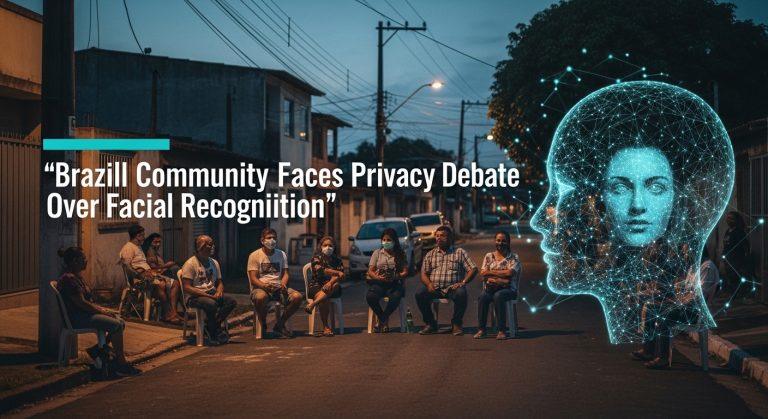
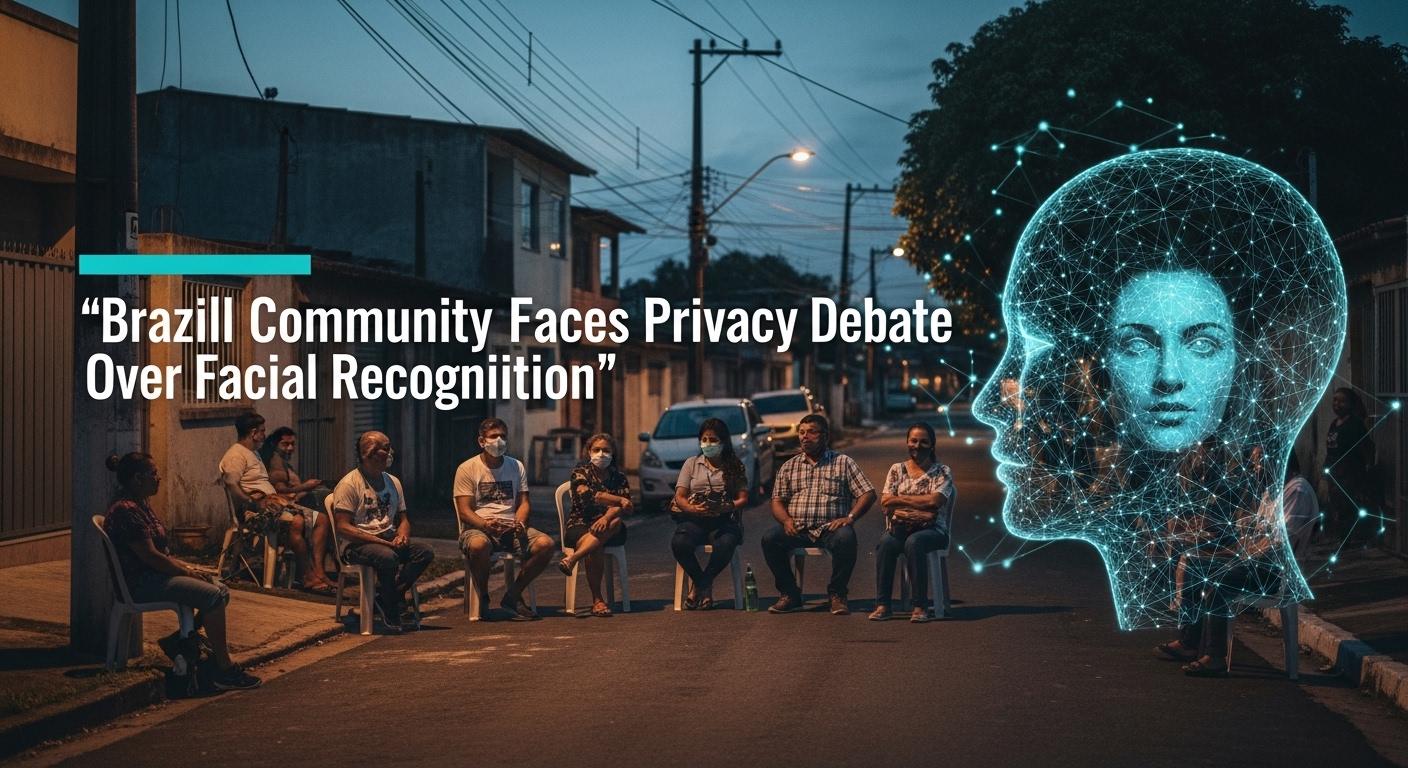
Across Brazil, the word face has taken on new weight in local conversations about safety, privacy, and how communities should be governed. This analysis examines what is known about proposed or discussed use of facial recognition in public settings, what remains uncertain, and how residents can verify facts while staying engaged with their city councils and neighborhood associations.
What We Know So Far
Confirmed: Brazilian municipalities have publicly debated whether facial recognition should play a role in public safety, traffic management, or crowd monitoring. There is no nationwide rollout confirmed as of this writing, and several discussions are at the policy-design or oversight stage rather than implementation. The debates often center on how such technology would be governed, what data would be collected, who would access it, and how long it would be stored.
Confirmed: Brazil’s data protection framework—the General Data Protection Law (LGPD)—places strict requirements on biometric data processing, with clear obligations for consent, purpose limitation, minimization, and security. This legal backdrop shapes how any facial-recognition program could be designed, deployed, or paused by local authorities. For readers, this means oversight and rights claims (including access and deletion) are active topics in municipal discussions.
Confirmed: Civil-society groups, researchers, and local journalists have pressed for transparent mechanisms around any use case—public hearings, independent audits, and published impact assessments—to ensure community voices are heard before decisions take effect.
Unconfirmed: Specific cities or districts have claimed pilot projects or testing phases, but official confirmation from city halls or regional offices has not been consistently provided. Reports vary in detail about the scope (police use vs. civilian services) and the technical partners involved.
Unconfirmed: Timelines remain unclear. Even in places where discussions are active, there is no uniform schedule for public consultation, procurement, or actual deployment, which means residents should not assume fast changes in the near term.
What Is Not Confirmed Yet
- Whether any city has launched a formal pilot program for facial recognition in a public space, and if so, which one or ones.
- The exact scope of data collection, including which biometric data would be captured and how long it would be retained.
- Whether independent oversight bodies or third-party audits would review technology performance and privacy impacts.
- Financial costs and funding sources for any proposed rollout, including maintenance, data storage, and staff training.
Why Readers Can Trust This Update
This briefing is assembled from multiple open statements from city councils, civil-society advocates, and privacy-focused organizations. The reporting emphasizes verifiable facts first—what officials have publicly acknowledged, what governing laws require, and what independent experts say about risk and governance. Where details are still disputed or unclear, this update clearly marks those items as unconfirmed and explains the process used to verify information, including reaching out to municipal press offices and data-protection authorities where possible.
For readers seeking deeper context on privacy rights and biometric data, the discussion in national and regional policy circles in Brazil follows global debates about accountability, consent, and transparency. Local reporting should be viewed as part of a broader public-interest conversation about how technology shapes daily life in communities across the country.
Actionable Takeaways
- Engage with local government: Attend town halls or public comment sessions where facial-recognition questions may be on the agenda and ask about data handling, oversight, and sunset clauses.
- Know your rights: Familiarize yourself with LGPD protections around biometric data, including how to request information about data collection, processing purposes, and retention policies from municipal bodies.
- Seek independent oversight: Support or push for third-party audits or civil-society review boards to assess both technical performance and privacy impact before any deployment is announced as final.
- Verify before sharing: When news about pilot programs appears, check official city communications and cross-check with ANPD (Autoridade Nacional de Proteção de Dados) guidance or local data-protection authorities for accuracy.
- Balance safety with rights: Consider scenarios where facial recognition could improve public safety but also risk civil liberties if misused or opaque in operation.
Source Context
For readers exploring the broader backdrop on privacy, data protection, and oversight that informs this discussion, see the following resources:
Additional context referenced in this piece includes cross-domain reporting on privacy ethics and public accountability. See reports and context from major outlets and educational discussions as background to this update.
Last updated: 2026-03-17 14:22 Asia/Taipei