
Updated: March 16, 2026
cbf Community Brazil sits at the heart of a broader experiment: can a national football federation become a steady anchor for neighborhood resilience and youth development? This analysis surveys how the cbf Community Brazil initiative translates football influence into civic programs, mutual aid networks, and local partnerships across Brazilian communities at home and in the diaspora. It looks beyond scoreboard success to assess how governance, funding, and community voice shape outcomes. If the federation can align its brand with durable social metrics, it could transform football from a spectacle into a public-interest infrastructure. But this path also invites scrutiny over transparency, inclusivity, and the risk that programs become token gestures rather than lasting changes. The following sections frame the present opportunities, the likely obstacles, and the scenarios that communities, clubs, and sponsors should consider as they engage with cbf Community Brazil.
Community as Infrastructure: The cbf Community Brazil model
The cbf Community Brazil initiative positions football clubs and federated networks as social infrastructure—not only venues for sport, but hubs for education, nutrition, safety, and skill-building. In neighborhoods with limited access to public services, clubs can offer after-school programs, coaching clinics, and equipment drives that ripple into families and schools. The model relies on formal partnerships with municipal programs, local NGOs, and school districts to align curricula with youth development goals. When executed with clear governance and community co-ownership, these initiatives can create durable benefits—reliable coaching pipelines, safe spaces for youth, and exposure to pathways beyond traditional employment. But to avoid mere tokens, programs need transparent reporting, shared metrics, and regular community feedback loops that keep the projects responsive to local needs.
In practice, successful cbf Community Brazil efforts treat clubs as long-term partners in local development rather than one-off sponsorships. This requires investing in leadership at the club and neighborhood level, building supervisory capacity for volunteers, and ensuring that funding supports sustained staffing rather than episodic campaigns. The governance layer—steering committees, community councils, and independent audits—serves to keep the ambitions aligned with real-world outcomes and to prevent mission drift when sponsorship cycles change or when political priorities shift within cities.
Diaspora Engagement: Lessons from the US and beyond
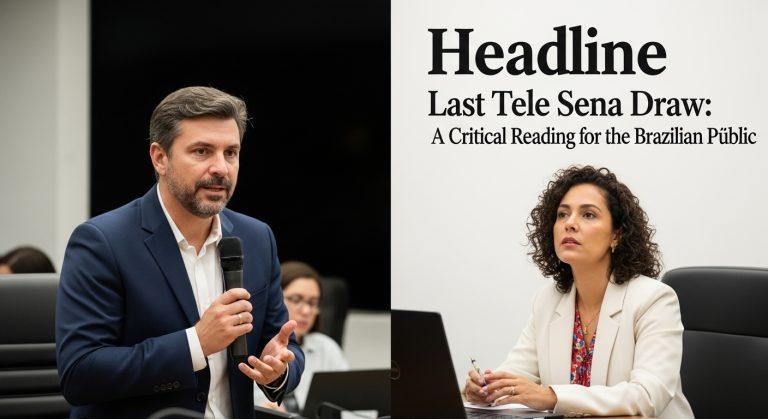
Diaspora networks are a natural bridge for cbf Community Brazil, offering both resources and lived experience from Brazil’s global communities. A recent encounter between CBF representatives and Brazilian community leaders in the United States illustrates a two-way learning exchange: diaspora groups share needs, cultural capital, and volunteer energy, while federations gain insights into governance, volunteer coordination, and youth programming that succeed in diverse urban settings. Such exchanges can help adjust program design to reflect urban realities in the Americas and Europe, while also creating channels for remittances, sponsorship, and cross-border partnerships. However, integration must center local voices—the communities directly served by the programs—so diaspora participation reinforces, rather than overrides, community priorities on the ground.
Two-way dialogue also highlights potential tensions: different regulatory environments, fundraising norms, and expectations around accountability. To translate diaspora goodwill into lasting impact, cbf Community Brazil should codify pathways for knowledge transfer, establish joint advisory structures, and maintain language and cultural accessibility in all materials and events. When done thoughtfully, diaspora engagement can expand volunteers, diversify funding sources, and broaden the federation’s visibility as a force for inclusive development rather than a purely symbolic emblem of national pride.
Governance, Funding, and Accountability in Community Football Initiatives
Long-term success hinges on transparent governance and accountable funding. Communities need open disclosure about how funds are allocated, what outcomes are targeted, and how progress is measured. This means clear budgets for program delivery, independent audits of grants and sponsorships, and public dashboards showing participation rates, skill development milestones, and safety indicators. Strategic alignment with municipal education goals and local business partnerships can amplify impact, but it requires formalized agreements that spell out roles, reporting timelines, and conflict-of-interest safeguards.
Moreover, accountability to participants should be prioritized. Routine surveys, town-hall style forums, and youth feedback mechanisms help ensure programs stay relevant and responsive. The social license for cbf Community Brazil depends on demonstrating tangible benefits—improved school attendance, increased access to coaching, and visible pathways to further education or employment—rather than branding alone. When stakeholders see consistent results, sponsorships and public support become sustainable rather than episodic, helping to stabilize program lifecycles beyond election cycles or fiscal quarters.
Actionable Takeaways
- Implement transparent reporting with public dashboards detailing program activities, funding sources, and measurable outcomes.
- Expand a nationwide network of local clubs to reach underserved neighborhoods through coordinated coaching and education programs.
- Develop youth pathways that connect schools, clubs, vocational training, and internship opportunities to broaden life trajectories.
- Engage the Brazilian diaspora as advisors and funders while safeguarding local community voice and governance.
- Use community-specific indicators (participation, retention, safety, skill development, local economic impact) to assess progress and adjust programs accordingly.