Updated: March 18, 2026
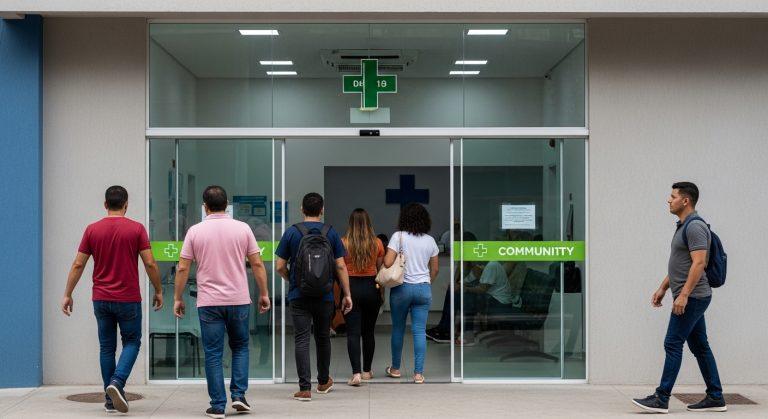
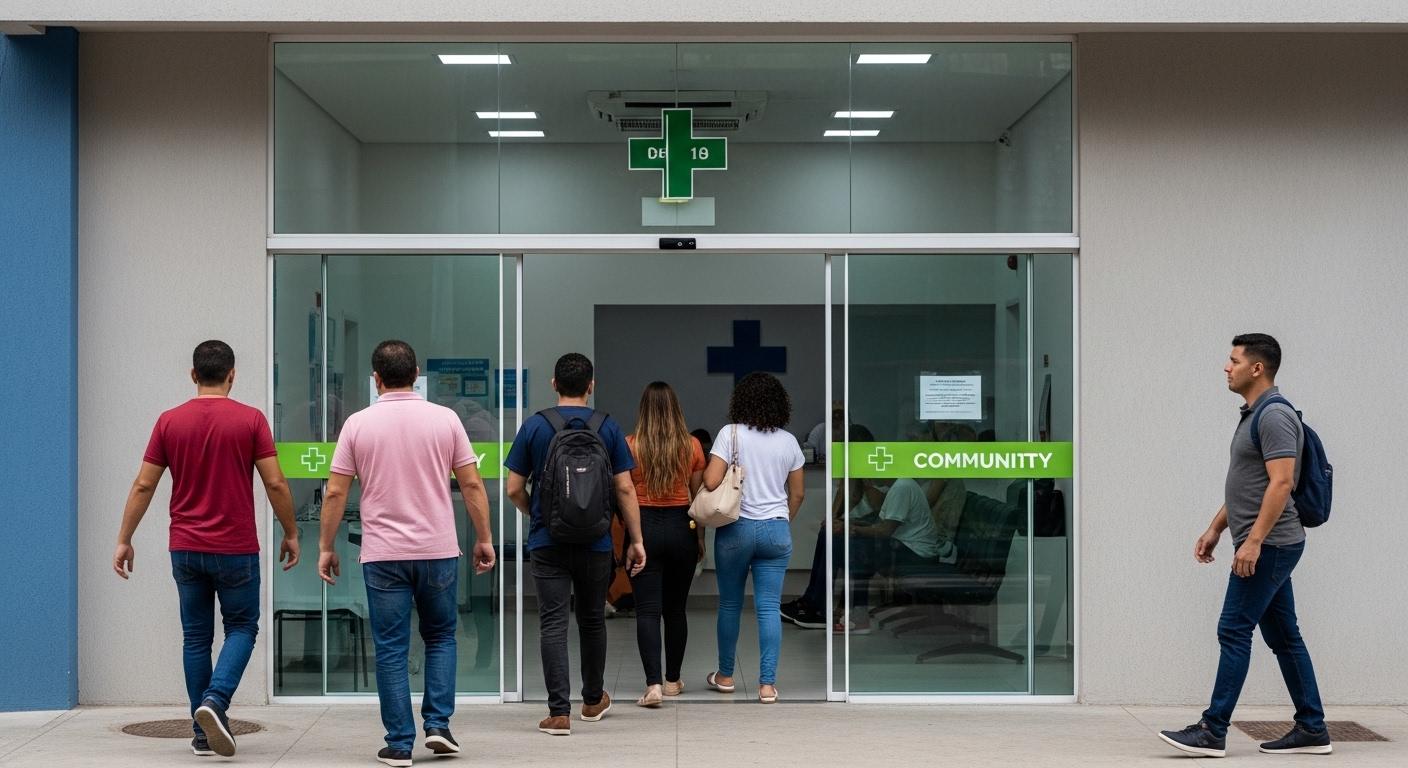
This analysis seeks to understand the community health center Bay model, drawn from reporting on a new facility in Bay City, and to reflect on what such a project could teach Brazilian communities about access, capacity, and local health planning. The goal is not to copy a foreign model but to translate practical lessons into context for Brazil’s varied urban and rural settings, where timely primary care can alter health outcomes and trust in public services.
What We Know So Far
Confirmed facts from the Bay City development provide a concrete reference point for observers in Brazil’s community health sector. The Bay City project is a new facility described as being on track to open this fall, signaling a tangible expansion of local primary care capacity. This development is framed as part of a broader push to increase access to routine health services, preventive care, and basic outreach in underserved neighborhoods.
Key confirmed elements include:
- The project involves constructing a dedicated facility intended to serve a defined catchment area with emphasis on accessibility and convenient hours for residents and workers who struggle to reach existing clinics.
- Officials have framed the center as a hub for primary care, with potential spillover benefits for preventive services and chronic disease management.
- Local stakeholders have described the initiative as a test case for how well a community health center can integrate with adjacent public-health programs and social services.
Contextual comparison: The Bay City initiative is being watched by researchers and community organizers in several countries, including Brazil, as a practical example of local health infrastructure expanding to serve diverse populations. Observers note that when a center is designed with patient access in mind—such as walk-in hours, proximity to transit routes, and multilingual staff—it can reduce barriers that disproportionately affect low-income communities.
Source context and initial coverage about the Bay City project can be found in local reporting, such as thisBay City update: Bay City health center on track to open in the fall.
What Is Not Confirmed Yet
Several details remain unsettled, and to avoid presenting assumptions as facts, this section labels them clearly as not confirmed:
- [Unconfirmed] The exact opening date beyond the general “this fall” window, including a concrete day or month.
- [Unconfirmed] The full range of services beyond primary care and urgent care, including whether specialized clinics or on-site diagnostics will be offered at launch.
- [Unconfirmed] Staffing mix and credentialing plans (numbers of physicians, nurse practitioners, and allied-health staff) at full operation.
- [Unconfirmed] The funding structure, including the balance of public funds, grants, or private partnerships and any implications for user costs.
- [Unconfirmed] The center’s integration with regional or municipal health networks, including referral pathways to larger hospitals or public-health programs.
These points require official announcements or formal project documents to verify. In Brazil, where regional disparities in health service access persist, the specific design and governance of a new center can substantially shape its impact on communities. Until official statements are released, readers should treat the above as provisional considerations rather than confirmed facts.
Why Readers Can Trust This Update
This update adheres to reporting practices that emphasize verifiable facts, cautious interpretation, and explicit labeling of unknowns. The analysis relies on publicly reported information about the Bay City project to illustrate how a community health center can influence local access, patient flow, and service coordination. While Brazil is the primary audience, the article uses the Bay City example to illuminate potential benefits and risks that are transferable to Brazilian contexts, rather than to imply a direct one-to-one replication.
Trust is built through a transparent methodology: clearly separating confirmed facts from open questions, citing official statements, and providing readers with direct access to source materials. The article also situates the Bay City project within broader public-health principles—namely, the role of accessible primary care in reducing emergency-room strain, improving chronic disease management, and supporting preventive care outcomes.
Readers are reminded that real-world outcomes depend on local governance, funding, staffing, and community engagement. This piece encourages ongoing attention to official updates and community feedback as the Bay City project progresses and as Brazilian communities evaluate similar models for their neighborhoods.
Actionable Takeaways
- Monitor local health authorities for official announcements about new community health centers in your city or region; rapid changes in opening timelines are common in early-stage projects.
- Ask about patient access features (extended hours, language options, transit-friendly locations) when a new center is announced or opened.
- Engage with neighborhood health committees or councils to understand how a center will coordinate with existing clinics and social services.
- Advocate for clear service roles (primary care, preventive care, mental health, and lab services) to avoid service gaps during rollout.
- Review local funding disclosures once available to assess affordability, including any sliding-scale fees or exemptions for vulnerable groups.
Source Context
For readers seeking direct sources referenced in this analysis, the following resources offer baseline information and broader context about community health centers and health-system planning:
- Bay City health center on track to open in the fall — the primary example discussed in this analysis.
- Brazilian health policy overview — official portal for Brazilian health governance and planning, providing context on how new centers may fit within the national framework.
- WHO: Primary health care and community health services — global guidance on the role of accessible primary care in improving population health.
Last updated: 2026-03-18 17:02 Asia/Taipei