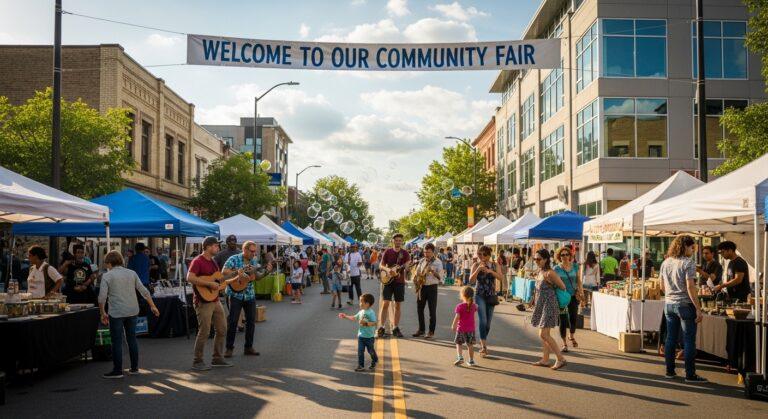
A diverse Brazilian community gathering at a street festival with music, food stalls, and colorful decorations.
Updated: March 16, 2026
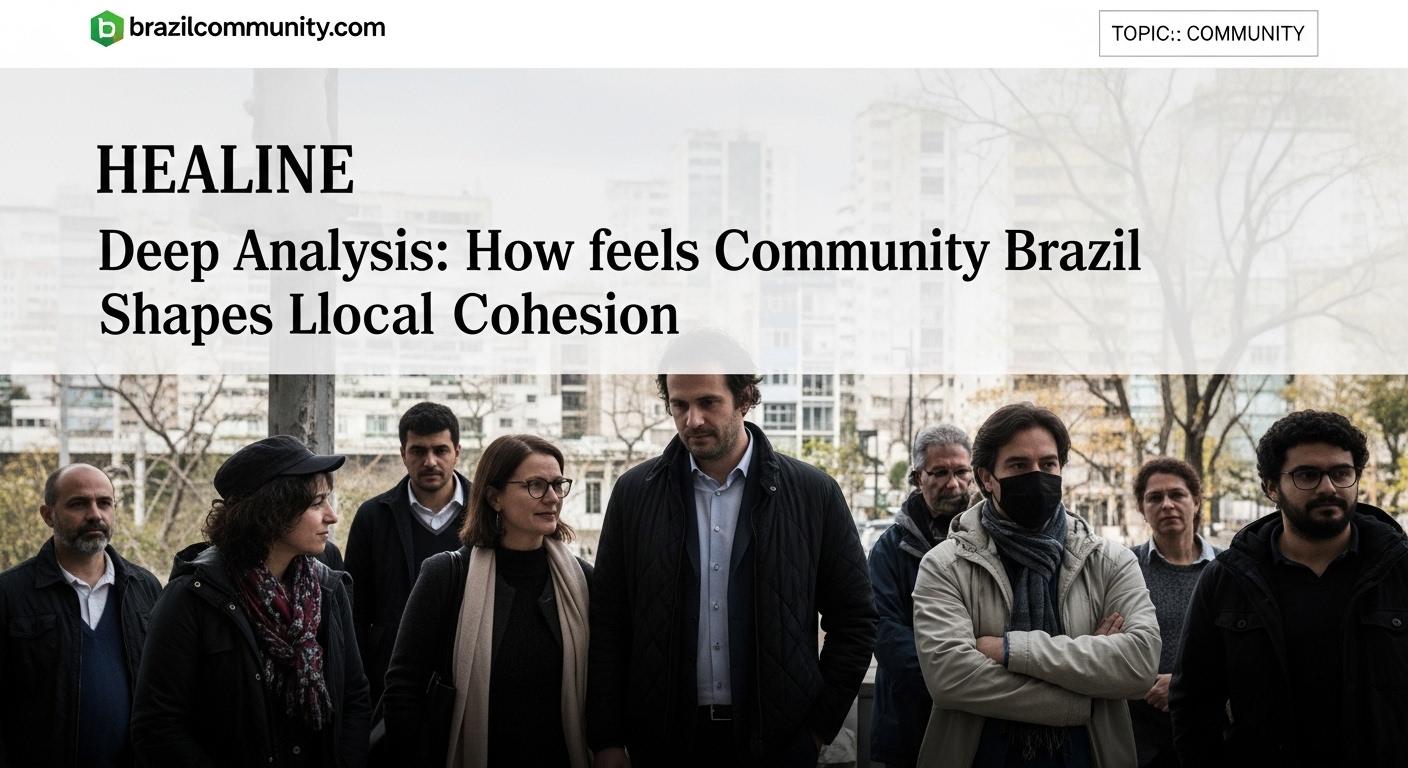
Across Brazil and in Brazilian diaspora communities, daily life is shaped by shared spaces, rituals, and mutual obligations. In this sense, the phrase feels Community Brazil is not just sentiment; it is a lived practice that binds neighbors, families, and volunteers into a web of belonging. This analysis looks at how communities organize around local cultural venues, street-level economies, and digital networks to sustain social fabric as urban life changes and public budgets tighten.
Community as a Spatial Practice
Communities rely on physical spaces—samba schools, community centers, mercados, and cafés—to shape everyday life. These venues function as more than commerce or performance venues; they are social infrastructure. In Brazil, the act of gathering around a barzinho, a praça, or a rehearsal hall creates everyday rituals that transmit memory across generations. The spatial dimension matters because it anchors language, music, and food in particular neighborhoods, allowing people who share ethnic or regional backgrounds to negotiate difference without losing identity. This is not nostalgia; it is a structural feature of social life that channels participation into concrete acts of care, whether organizing a neighborhood watch, coordinating volunteer translators, or hosting a weekend meal rotation for families in need.
Mutual Aid in Practice
Mutual aid networks emerge when formal service gaps collide with lived needs. Brazilian communities have long practiced reciprocal support—whether lending funds for school supplies, sharing car rides to medical appointments, or pooling resources for local festivals. In contemporary contexts, digital platforms complement face-to-face networks, enabling rapid mobilization while preserving a culture of responsibility and reciprocity. This practice deepens trust and expands social capital, but it also requires oversight to ensure equity, transparency, and fairness in who receives support and how decisions are made.
Digital Connectors and Youth
Younger generations act as bridge-builders between traditional spaces and online communities. WhatsApp groups, micro-communities on social media, and localized apps help organize volunteers, inform families about events, and disseminate practical guidance during emergencies. Yet digital life also brings risks: misinformation can spread quickly, and attention economies can divert energy away from long-term capacity-building. A balanced approach combines online coordination with in-person mentorship and cultural programming, ensuring that technology serves shared goals rather than fragmenting identity.
Policy, Funding, and Practical Realities
Municipal and state policies shape what is possible for Brazilian community networks. Grants for cultural centers, language programs, and youth initiatives often come with reporting requirements and timelines that may not align with grassroots rhythms. Practically, communities thrive when funding is predictable, spaces are accessible, and cultural programming is co-designed with residents rather than imposed. The challenge is to align cultural rights with everyday needs—from affordable venue access to safe transportation for volunteers—so that the social fabric does not fray under economic stress or demographic shifts. This is how feels Community Brazil becomes a policy concern, a shared horizon that politics and budgets must reflect.
Actionable Takeaways
- Invest in multipurpose community spaces that host cultural, educational, and social activities on predictable, affordable terms.
- Build transparent mutual-aid frameworks with clear eligibility and oversight to sustain trust within diverse groups.
- Support youth-led programs that blend traditional Brazilian art forms with contemporary digital tools to attract broader participation.
- Facilitate partnerships between local governments, NGOs, and resident associations to align funding with on-the-ground realities.
Source Context
References that informed this analysis include recent reporting on Brazilian cultural life, diaspora-driven community initiatives, and the role of mutual aid in social resilience.
From an editorial perspective, separate confirmed facts from early speculation and revisit assumptions as new verified information appears.
Track official statements, compare independent outlets, and focus on what is confirmed versus what remains under investigation.
For practical decisions, evaluate near-term risk, likely scenarios, and timing before reacting to fast-moving headlines.
Use source quality checks: publication reputation, named attribution, publication time, and consistency across multiple reports.
Cross-check key numbers, proper names, and dates before drawing conclusions; early reporting can shift as agencies, teams, or companies release fuller context.