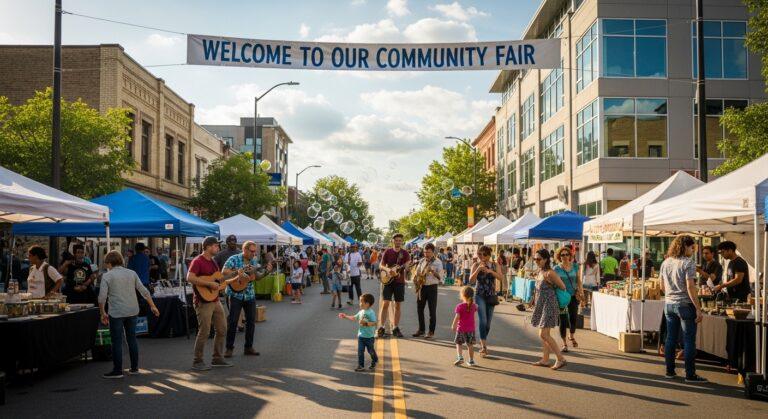
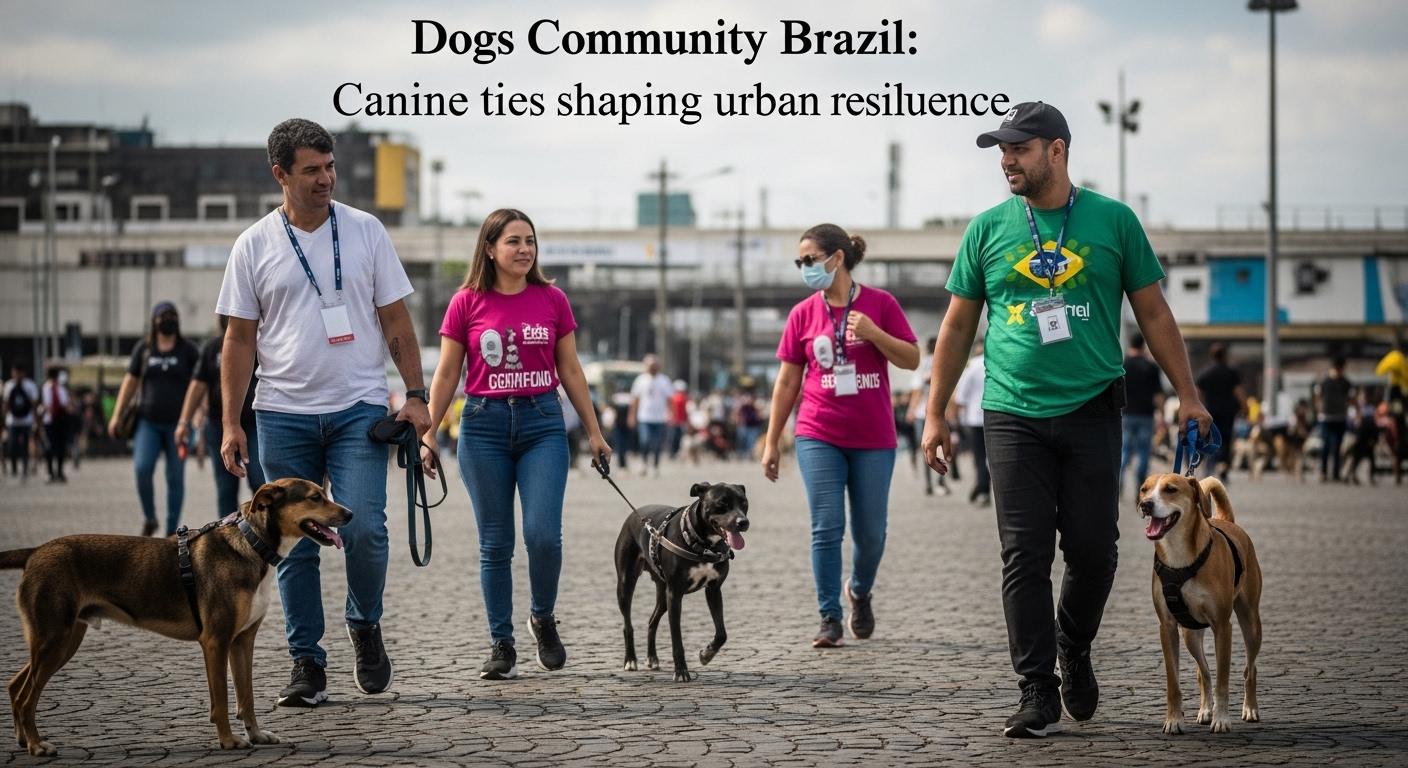
A Brazilian community street with dogs and neighbors gathering after floods.
Updated: March 16, 2026
Across Brazil’s urban neighborhoods, dogs Community Brazil are more than companions; they thread daily life, informal care networks, and a shared sense of responsibility in times of crisis. As cities expand and climate volatility intensifies, residents increasingly rely on the presence and behavior of dogs to read streets, calm strays, and prompt mutual aid. This analysis examines how canine presence intersects with community resilience, what it reveals about municipal challenges, and how neighbors can align practical steps with long-term social inclusion.
Context: Brazil’s communal spaces and dogs
In Brazilian cities, public spaces—plazas, sidewalks, and shaded corners—serve as informal meeting rooms where neighbors exchange news, lend a hand, and watch out for one another. The presence of dogs in these spaces is not merely decorative; it shapes human traffic, signals care protocols, and often triggers collective responses to weather or safety concerns. In flood-prone neighborhoods, dogs can become reading signals for risk: a wary hound near a gate may reflect a hidden hazard, while a dog-led patrol can cue residents to check on an elderly neighbor. Urban planning frequently overlooks these micro-relationships even as climate volatility drives heavier rainfall, waterlogging, and landslides that disrupt routines. In times of crisis, dogs can guide families toward higher ground, alert volunteers to stranded residents, and anchor informal networks that mobilize relief.
Scholars and practitioners observe that dogs can function as social anchors in dense communities, linking disparate groups through routine walks, local markets, and shared pet-care duties. In Brazil, where municipal budgets are stretched and services uneven, residents often fill gaps through neighborly coordination around pet welfare, flood preparedness, and safe havens for animals during emergencies.
Policy and practical realities
Policy landscapes around pets and disasters reveal a tension between formal governance and informal community risk management. Some municipalities run dog-welfare programs—vaccination campaigns, licensing, and stray-dog management—but coverage is uneven, especially in informal settlements and peri-urban areas. During floods, sheltering dogs and their owners requires plans that accommodate companion animals, a dimension often overlooked in crisis protocols. This mismatch can breed barriers to evacuation, as families hesitate to leave home without a plan for their pets. Community groups frequently step in to bridge gaps: volunteers coordinate temporary shelters, share information on vaccination and microchipping, and map routes that keep both people and pets safe during downpours and landslides. The result is a hybrid governance model in which residents exert local leadership while municipal systems provide the framework—yet the balance remains fragile and uneven across cities. Practical realities include limited funding, variable access to veterinary care, and the need for culturally appropriate outreach that respects diverse approaches to pet ownership and animal welfare.
Disaster risk reduction benefits when programs acknowledge dogs not as problems to manage but as stakeholders in community health. This shift invites cross-sector collaboration—municipal services, veterinary groups, neighborhood associations, and civil-society organizations—toward policies that protect people and pets alike. By validating these dog-inclusive approaches, cities can reduce exposure to flood-related hazards, improve adoption of preventive care, and strengthen social cohesion that translates into faster, more effective responses when storms strike.
Social dynamics and canine roles in neighborhoods
In dense urban fabrics, dogs often act as social conduits—inviting interactions across age groups, cultures, and income levels. A morning walk becomes a ritual of small exchanges: someone offers a sharing of water, another person passes along information about a blocked street, and nearby children learn about responsibility through caring for a pet. This daily choreography fosters trust, mutual aid, and a shared vocabulary for risk—factors that can accelerate collective action after heavy rain or a collapsing road. Yet canine presence also raises practical tensions: crowded sidewalks, inconsistent waste management, and fears around dog bites or noise can strain neighborly ties if not managed with clear guidance and respectful engagement. The challenge for communities is to harness the social glue dogs provide while mitigating friction through education, accessible veterinary care, and robust waste-and-water infrastructure that supports humane treatment of animals.
When floods arrive, dogs become participants in disaster logistics—alerts, evacuation cues, and even morale boosters for residents recovering from loss. The social fabric that forms around dog-walking routes, pet shops, and veterinary clinics can become a communication network for emergency planning, from identifying vulnerable residents to coordinating supply chains for food, medicine, and temporary shelter for both people and animals. This dynamic highlights a key causal link: investments that improve canine welfare and access to veterinary services can yield broader social dividends by reinforcing neighborhood readiness and social trust during crises.
Future scenarios and what communities can do
Looking ahead, a set of practical scenarios emerges for Brazilian communities aiming to leverage dogs as anchors of resilience. First, pocket-scale dog-friendly disaster plans that integrate shelters for people and animals can reduce evacuation hesitancy and expand the reach of relief. Second, community-based vaccination and spay/neuter drives paired with microchipping can improve animal welfare and public health while creating data-enabled networks for rapid response. Third, street-level training and education—focused on responsible ownership, dog behavior, and friendly public-space etiquette—can reduce friction and foster inclusive neighborhood norms. Fourth, formal partnerships between municipalities, veterinary colleges, NGOs, and local associations can scale successful models, ensuring consistent care for vulnerable dogs and better access to resources during floods. Finally, urban design that respects dog movement, with shaded routes, water stations, and safe zones, can strengthen daily routines and social ties that persist beyond disaster events. By centering dogs within community resilience planning, city leaders can cultivate inclusive, practical strategies that reflect the lived realities of neighborhoods across Brazil.
Actionable Takeaways
- Establish dog-inclusive disaster plans that reserve space for pet shelters alongside human shelters.
- Launch local vaccination, licensing, and microchipping drives to strengthen animal welfare and public health networks.
- Create neighborhood volunteer teams to monitor flood-prone routes, distribute supplies, and communicate urgent updates to residents with pets.
- Invest in dog-friendly urban design elements (water stations, shaded walking paths, secure fencing) to support daily routines and reduce risk during emergencies.
- Offer education programs on responsible ownership, humane treatment, and conflict-resolution practices for shared public spaces.
- Develop a simple community dog registry to aid outreach and emergency planning, while protecting privacy and data ethics.