
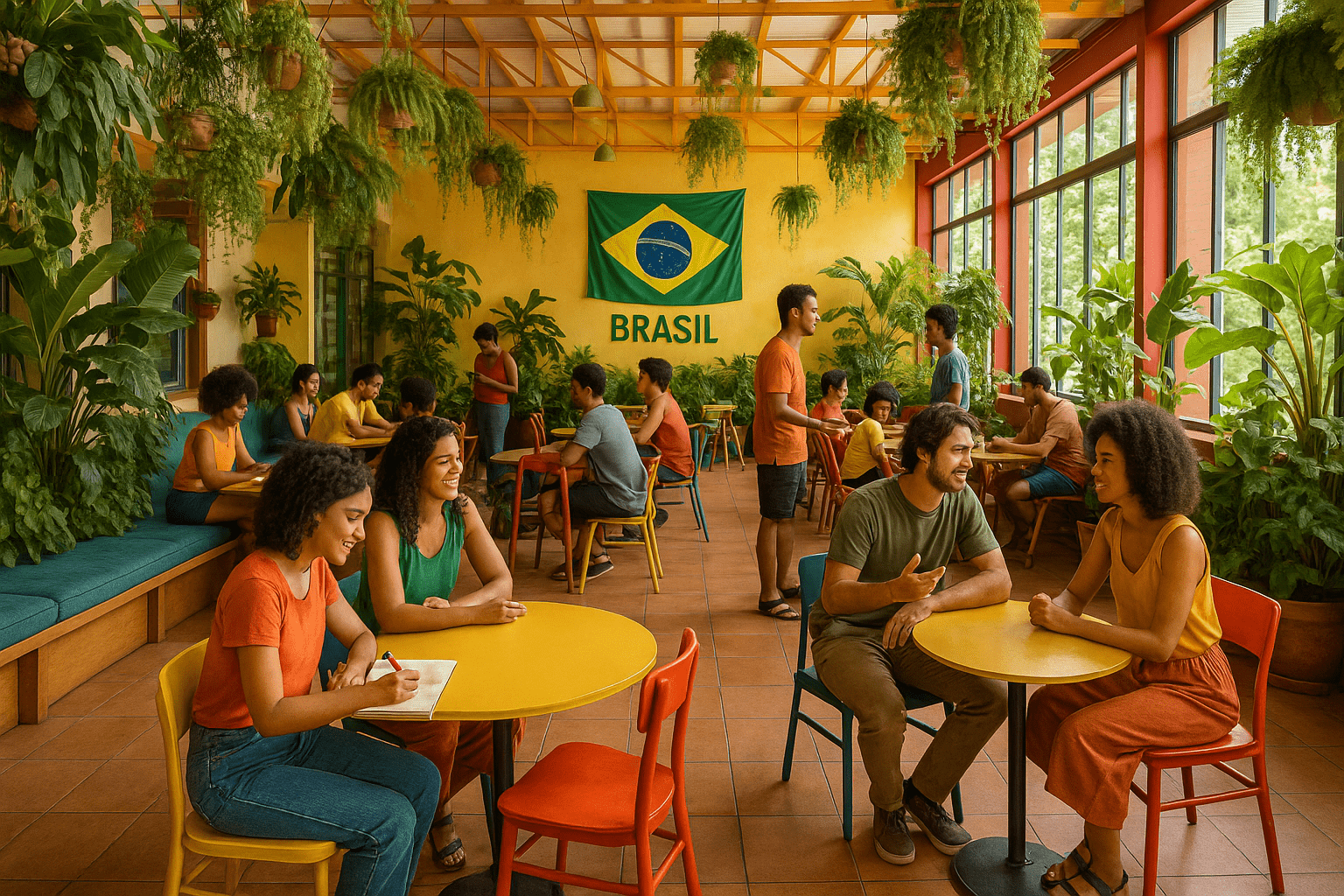
Indoor community space in Brazil with diverse participants engaging in activities.
Updated: March 16, 2026
indoor Community Brazil is a key story right now. This briefing explains what changed, why it matters, and what to watch next.
Indoor community spaces in Brazil are becoming increasingly vital as urbanization intensifies, facilitating connection and collaboration among residents. These spaces serve not only as physical locations for gatherings but also as pivotal platforms for cultural exchange, education, and community building.
The Role of Indoor Community Spaces
Indoor community spaces play a crucial role in fostering social connections among residents. Whether in urban centers or rural areas, these venues often provide a sanctuary for people to engage in dialogue, share resources, and collaborate on community-oriented projects. They are instrumental in bridging cultural divides and creating a sense of belonging, especially for marginalized groups.
Impact of Urbanization on Indoor Spaces
As urban areas in Brazil expand, the demand for well-designed indoor community spaces increases. The shift towards tighter living quarters and the rise of high-density housing necessitate the creation of multifunctional spaces that can accommodate various activities—from workshops to recreational events. Local governments and organizations are recognizing this need and are beginning to invest in the development of such spaces.
Health and Well-being in Community Environments
In light of recent environmental concerns, including air quality and the impacts of climate change, the design of indoor community spaces must prioritize health and well-being. Implementing proper ventilation, green spaces, and sustainable materials can enhance indoor air quality, making these spaces more conducive to community engagement and personal wellness. Moreover, activities held in these spaces can encourage healthy living among residents.
Creating Sustainable and Inclusive Spaces
Building sustainable indoor community spaces involves not only environmental considerations but also ensuring these areas are accessible to all demographics. This includes enacting policies that promote inclusivity, such as wheelchair accessibility, and providing programming that resonates with diverse community members. Community leaders must involve residents in the planning process to ensure that the spaces meet their needs and reflect their cultural values.
Actionable Takeaways
- Invest in the development of multifunctional indoor community spaces to cater to diverse activities.
- Prioritize health and well-being by improving indoor air quality through design and materials.
- Engage the community in the planning and programming of these spaces to ensure inclusivity.
- Promote activities that encourage social interaction and collaboration among residents.
- Leverage technology to create virtual extensions of community spaces, reaching those unable to attend in person.
From an editorial perspective, separate confirmed facts from early speculation, monitor official statements, compare independent reporting, and revisit assumptions as new data emerges.
From an editorial perspective, separate confirmed facts from early speculation, monitor official statements, compare independent reporting, and revisit assumptions as new data emerges.
From an editorial perspective, separate confirmed facts from early speculation, monitor official statements, compare independent reporting, and revisit assumptions as new data emerges.
From an editorial perspective, separate confirmed facts from early speculation, monitor official statements, compare independent reporting, and revisit assumptions as new data emerges.
From an editorial perspective, separate confirmed facts from early speculation, monitor official statements, compare independent reporting, and revisit assumptions as new data emerges.
From an editorial perspective, separate confirmed facts from early speculation, monitor official statements, compare independent reporting, and revisit assumptions as new data emerges.
From an editorial perspective, separate confirmed facts from early speculation, monitor official statements, compare independent reporting, and revisit assumptions as new data emerges.
From an editorial perspective, separate confirmed facts from early speculation, monitor official statements, compare independent reporting, and revisit assumptions as new data emerges.
From an editorial perspective, separate confirmed facts from early speculation, monitor official statements, compare independent reporting, and revisit assumptions as new data emerges.
From an editorial perspective, separate confirmed facts from early speculation, monitor official statements, compare independent reporting, and revisit assumptions as new data emerges.
From an editorial perspective, separate confirmed facts from early speculation, monitor official statements, compare independent reporting, and revisit assumptions as new data emerges.
From an editorial perspective, separate confirmed facts from early speculation, monitor official statements, compare independent reporting, and revisit assumptions as new data emerges.
From an editorial perspective, separate confirmed facts from early speculation, monitor official statements, compare independent reporting, and revisit assumptions as new data emerges.
Source Context
This article is original commentary based on recent public reports: