
Understanding Facebook‘s Role in the News Industry: A Deep Dive
In today’s rapidly evolving digital landscape, Facebook has emerged as a pivotal platform in the dissemination and consumption of news. As a social media giant with billions of users worldwide, Facebook’s influence on how news is shared and perceived cannot be overstated. This blog post delves into Facebook’s multifaceted role in the news industry, exploring its impact, challenges, and potential future directions.
The Evolution of Facebook as a News Platform
Facebook’s journey from a social networking site for college students to a global news distribution platform is remarkable. Initially launched in 2004, Facebook was not designed with news in mind. However, as the platform grew, so did its potential for sharing information.
By 2009, the introduction of the News Feed transformed Facebook into a hub for real-time information, allowing users to share articles and updates. With this shift, Facebook began to play an increasingly significant role in how news was consumed, often serving as the first point of contact for breaking news stories.
Facebook’s Influence on News Consumption
Facebook’s algorithm-driven News Feed is designed to prioritize content that is most likely to engage users. This has profound implications for the news industry. Unlike traditional news outlets that curate content based on editorial judgment, Facebook’s algorithms determine what news stories appear based on user preferences and interactions.
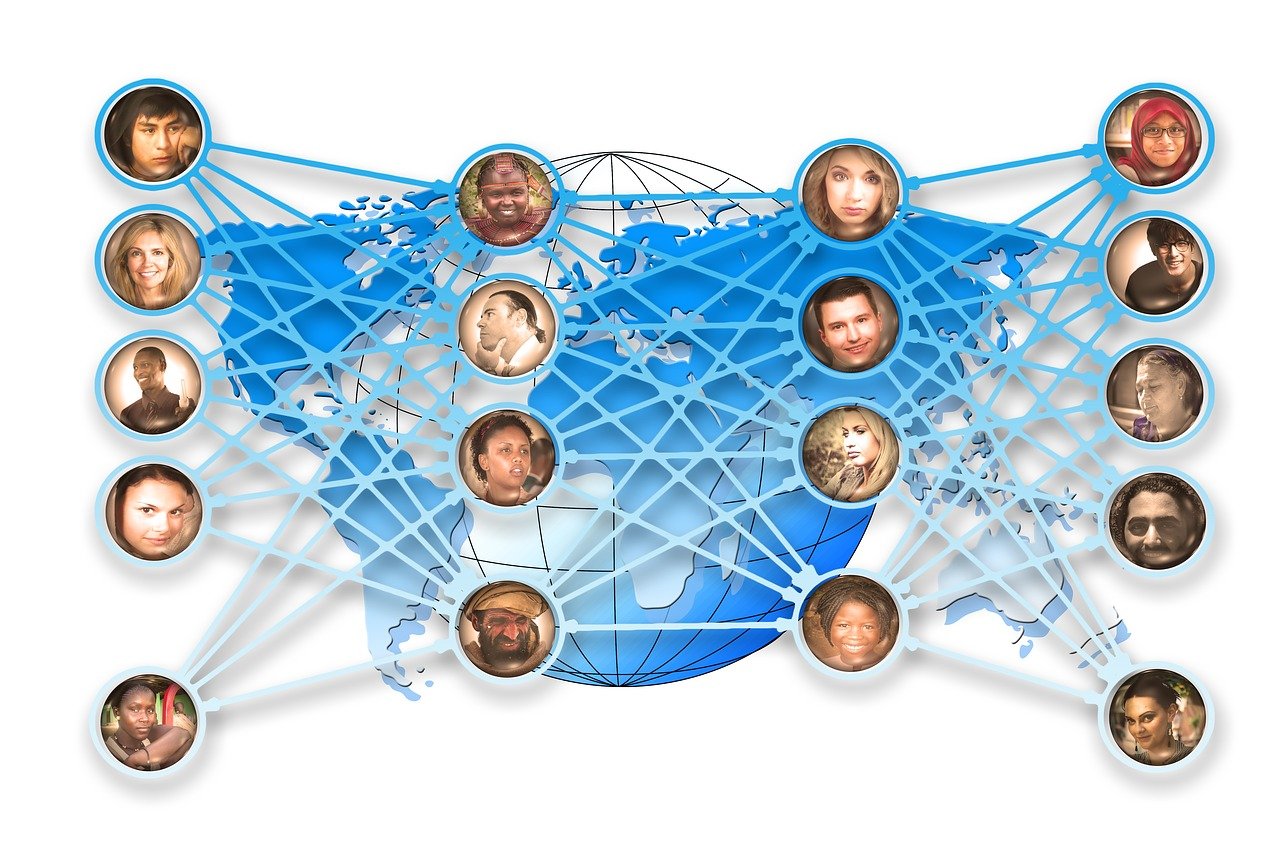
This personalization of news can lead to filter bubbles, where users are exposed primarily to information that reinforces their existing beliefs. As a result, Facebook has been criticized for contributing to political polarization and the spread of misinformation, as users may not encounter diverse viewpoints.
The Role of Facebook in News Distribution
Facebook serves as a significant traffic source for many news websites. By including sharing options on their articles, publishers can leverage Facebook to reach broader audiences. However, this dependency on Facebook’s platform for traffic presents several challenges for news organizations.
One major issue is the reliance on Facebook’s algorithm changes. For instance, when Facebook adjusted its algorithm in 2018 to prioritize content from friends and family over publishers, many news organizations experienced a significant drop in traffic. This dependency raises questions about the sustainability of relying on a third-party platform for audience engagement.
Facebook’s Efforts to Combat Misinformation
Amid growing concerns about the spread of fake news, Facebook has taken steps to address misinformation on its platform. Initiatives such as partnering with third-party fact-checkers and reducing the visibility of false news stories aim to curb the dissemination of misleading information.
Despite these efforts, the challenge of misinformation persists. The sheer volume of content shared on Facebook makes it difficult to monitor and verify all information. Moreover, the effectiveness of fact-checking is often limited by the speed at which false information spreads compared to the correction process.
Facebook’s Impact on Traditional News Outlets

The rise of Facebook as a news platform has disrupted traditional news outlets in several ways. On one hand, it provides an opportunity for publishers to reach new audiences and engage with readers directly. On the other hand, the competition for attention in a crowded online environment has eroded the traditional advertising revenue model.
As a result, news organizations have had to adapt, exploring new revenue streams such as subscription models and branded content. Some have also sought to build direct relationships with their audience through newsletters and podcasts, reducing reliance on platforms like Facebook.
The Future of Facebook in the News Industry
Looking ahead, Facebook’s role in the news industry is likely to continue evolving. With ongoing advancements in technology and changes in user behavior, the platform will need to adapt to remain relevant as a news source.
One potential area of growth is the integration of artificial intelligence and machine learning to enhance how news is curated and delivered. By leveraging these technologies, Facebook could provide more personalized and accurate news experiences, potentially addressing some of the issues related to misinformation and filter bubbles.
Takeaways
Facebook’s impact on the news industry is undeniable. As a platform that reaches billions of users, it has reshaped how news is consumed, distributed, and monetized. While it offers opportunities for engagement and growth, it also presents significant challenges related to misinformation, algorithm dependency, and the sustainability of traditional news models.

As the digital landscape continues to evolve, understanding Facebook’s role in the news industry will be crucial for both publishers and consumers. By navigating these challenges and embracing new technologies, Facebook and news organizations alike can work towards a more informed and connected world.
Navigating Ethical Considerations
As Facebook continues to play a crucial role in news dissemination, ethical considerations become increasingly important. The platform faces scrutiny over its responsibility to ensure that the content shared is accurate and free from bias. This scrutiny is compounded by Facebook’s vast influence, which can sway public opinion and impact societal issues.
One ethical challenge is the balance between free speech and content moderation. Facebook must navigate the fine line between allowing diverse opinions and preventing the spread of harmful or misleading information. Striking this balance is essential to maintaining the integrity of the platform and protecting users from potential harm.
Furthermore, Facebook’s data collection practices raise ethical questions about privacy and the use of personal information. As users interact with news content, their data is often used to tailor ads and recommendations. This practice, while beneficial for targeted marketing, can also lead to concerns about user privacy and consent.
Opportunities for Innovation and Collaboration
Despite the challenges, Facebook’s role in the news industry also presents opportunities for innovation and collaboration. By working closely with publishers, Facebook can develop new tools and features that enhance the news consumption experience for users.

For instance, Facebook has the potential to expand its use of news tabs and dedicated sections for curated content. These features can offer users a more organized and reliable way to access news, reducing reliance on the algorithm-driven News Feed. Such initiatives can foster a healthier news ecosystem on the platform.
Additionally, collaboration between Facebook and news organizations can lead to the development of new revenue models. By exploring partnerships and joint ventures, both parties can benefit from increased reach and engagement while addressing the financial challenges facing the news industry.
User Engagement and Community Building
Facebook’s platform provides unique opportunities for user engagement and community building around news content. The interactive nature of the platform allows users to comment, share, and discuss news stories, fostering a sense of community and dialogue.
News organizations can leverage these features to engage with their audience more effectively. By actively participating in discussions and responding to comments, publishers can build trust and loyalty among their readers. This direct interaction can also provide valuable insights into audience preferences and interests, informing future content creation.
Moreover, Facebook groups focused on specific topics or issues can serve as vibrant communities where users share information and ideas. These groups offer a space for more in-depth discussions and can complement the broader news consumption experience on Facebook.
The Global Impact of Facebook on News

Facebook’s role in the news industry extends beyond national borders, influencing how news is consumed and shared globally. In many countries, Facebook serves as a primary source of news for users, especially in regions where traditional media outlets are less accessible.
This global reach presents both opportunities and challenges. On one hand, Facebook can democratize access to information, providing users with diverse perspectives and voices. On the other hand, the platform must navigate varying cultural and regulatory landscapes, ensuring that its policies and practices align with local norms and laws.
Moreover, Facebook’s global influence amplifies its responsibility in combating misinformation and promoting quality journalism. By investing in local partnerships and initiatives, Facebook can support the development of a robust and diverse media ecosystem worldwide.
Concluding Thoughts
As we navigate the complexities of the digital age, Facebook’s role in the news industry will continue to be a subject of debate and discussion. Its impact on news consumption, distribution, and production is profound, offering both opportunities and challenges for publishers, consumers, and society at large.
The future of Facebook in the news industry will depend on its ability to adapt to changing technologies, user behaviors, and ethical considerations. By fostering collaboration, embracing innovation, and prioritizing transparency, Facebook can contribute positively to the evolving media landscape.
Ultimately, understanding Facebook’s role in the news industry requires a nuanced and critical approach, recognizing its potential to shape the future of journalism and the flow of information in our interconnected world.
About the Author